What Is T1-11 Siding? Exploring Its Timeless Character and Modern Appeal
Some building materials capture attention through innovation. Others earn admiration through decades of dependable performance. T1-11 siding belongs firmly to the second category—a material that has quietly shaped cabins, cottages, farmhouses, and countless residential exteriors with its unmistakable vertical lines and understated character.
While many homeowners first encounter T1-11 during exterior renovations, they often discover that it represents far more than a practical siding solution. Its distinctive grooves create rhythm across expansive walls, its wood-based composition introduces natural warmth, and its straightforward design continues to complement both rustic retreats and carefully crafted contemporary homes.
In an era where countless exterior materials compete for attention through increasingly complex textures and finishes, T1-11 remains refreshingly authentic. Its appeal lies not in imitation but in honest craftsmanship—a quality that continues to resonate with homeowners who appreciate architecture that feels timeless rather than temporary.
“Timeless architecture begins with materials that tell an honest story.”
True character is rarely created through ornament alone. It emerges when materials express exactly what they are meant to be.
The Quiet Beauty of T1-11 Siding
To understand what makes T1-11 distinctive, it helps to begin with its construction. Unlike traditional lap siding, which consists of individual overlapping boards, T1-11 is manufactured as large structural panels with evenly spaced vertical grooves pressed or cut into the surface. Once installed, these grooves create the appearance of narrow vertical boards while allowing installers to cover larger wall sections efficiently.
Historically, T1-11 has been produced using either exterior-grade plywood or oriented strand board (OSB). Plywood versions are generally recognized for their greater dimensional stability and refined surface appearance, while OSB alternatives have often provided a more economical solution for projects where budget remains an important consideration.
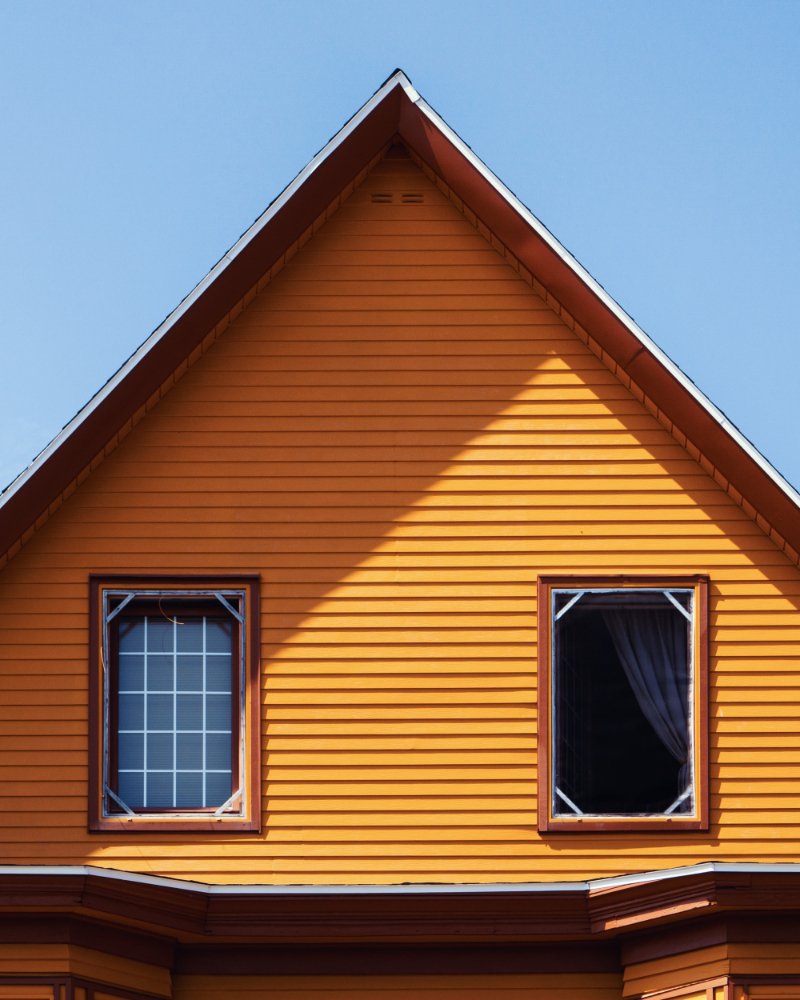
Yet regardless of its construction, the material shares one defining characteristic: an unmistakable sense of architectural rhythm. Every vertical groove introduces subtle shadow lines that change throughout the day as sunlight moves across the façade. Morning light emphasizes crisp texture, afternoon brightness softens transitions, and evening shadows lend remarkable depth to even the simplest elevations.
Architecture often reveals its greatest beauty not through dramatic gestures, but through the quiet repetition of thoughtful details.
This visual rhythm explains why T1-11 has remained closely associated with cabins, mountain homes, lakeside retreats, and rural architecture for generations. Its vertical pattern naturally echoes the surrounding landscape, recalling tree trunks, weathered timber, and handcrafted construction traditions that continue to inspire contemporary exterior design.
Today’s designers, however, increasingly view T1-11 through a broader lens. Rather than limiting its use to rustic settings, they pair its clean vertical lines with expansive windows, minimalist rooflines, black metal accents, and natural stone foundations to create homes that feel simultaneously modern and deeply connected to their environment.
Color selection further transforms the material’s personality. Rich cedar stains celebrate the warmth of natural wood, allowing grain patterns and texture to remain visible beneath protective finishes. Soft charcoal tones introduce contemporary sophistication, while warm whites and muted earth colors create elegant exteriors that feel balanced rather than overly decorative.
The most memorable homes rarely depend on a single material. Instead, they invite wood, glass, stone, and metal to participate in one harmonious architectural conversation.
Even trim details contribute to this sense of refinement. Carefully proportioned corner boards, thoughtfully designed window casings, and precisely finished fascia create crisp transitions that elevate the entire composition. Rather than competing with the siding itself, these elements quietly frame its texture and reinforce the home’s architectural identity.
Viewed from a distance, T1-11 appears composed and orderly. Up close, its surface reveals subtle variations in texture and craftsmanship that reward closer observation. That balance between simplicity and detail has allowed the material to remain relevant across changing architectural styles for decades.
Perhaps the enduring appeal of T1-11 lies in its honesty. It does not attempt to imitate luxury—it achieves lasting character through proportion, texture, and thoughtful craftsmanship.
Where Craftsmanship Meets Performance
While the appearance of T1-11 siding often captures attention first, its long-term performance depends on something less visible: thoughtful craftsmanship. Like any premium exterior material, T1-11 performs best when every stage of installation reflects careful planning, precision, and respect for the environment in which the home stands.
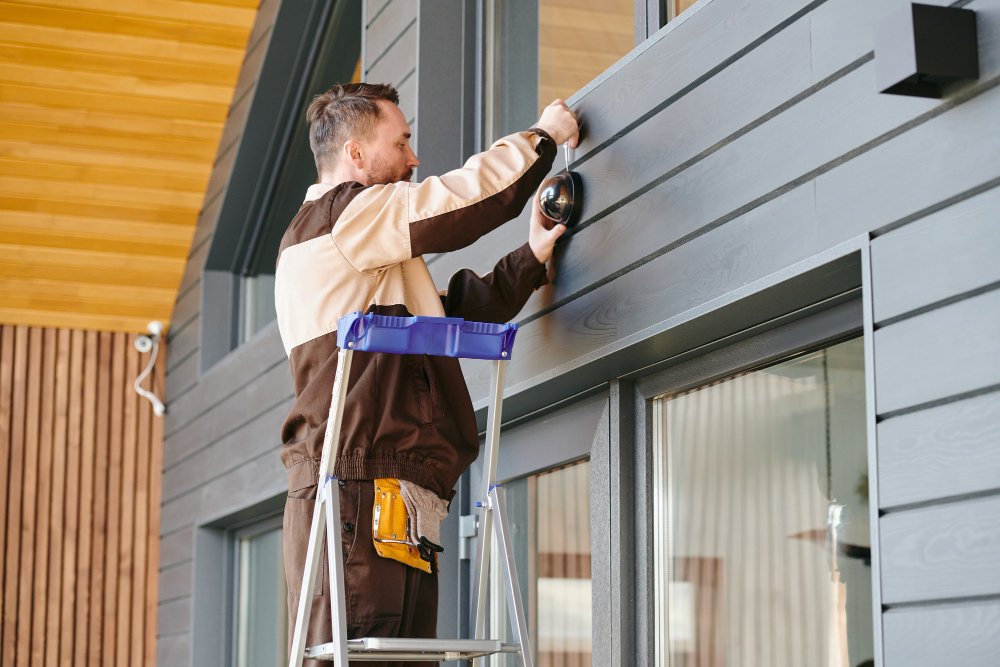
Because T1-11 is manufactured as large panels, installation begins with creating a properly protected wall assembly. Weather-resistant barriers, flashing around windows and doors, and carefully detailed joints all play essential roles in directing moisture away from the structure. These components may disappear beneath the finished siding, yet they quietly determine how successfully the exterior will perform through years of changing seasons.
Exceptional architecture is built layer by layer, long before its beauty becomes visible.
Finishing also shapes the material’s longevity. High-quality exterior paint provides a clean, refined appearance while helping shield the panels from prolonged moisture exposure. Transparent and semi-transparent stains celebrate the warmth of the wood grain, allowing the material’s natural texture to remain the focal point. Each finish creates a different architectural expression, yet both rely on careful preparation and ongoing maintenance to preserve their elegance.
Ventilation deserves equal attention. Proper airflow behind and around exterior assemblies helps reduce trapped moisture, allowing the siding to remain stable while supporting the overall health of the wall system. Combined with carefully installed flashing and sealants, effective ventilation contributes significantly to long-term durability.
“The finest exteriors are built not only to impress today, but to endure tomorrow.”
Maintenance, too, becomes part of the home’s ongoing story. Periodic inspections, prompt attention to damaged finishes, and routine cleaning allow T1-11 siding to retain both its appearance and protective qualities. These simple acts of stewardship reinforce an important principle: longevity is rarely achieved through materials alone—it is sustained through consistent care.
Luxury is never defined solely by the products we choose. It is equally revealed through the care we invest in preserving them.
When these construction principles come together, T1-11 evolves beyond a practical siding system. Its vertical lines become architectural features, its texture gains richness with changing light, and its understated character quietly enhances every surrounding material, from natural stone foundations to expansive glass and handcrafted timber accents.
Discover how to plan built in bar cabinets that combine style and functionality. Follow this step-by-step guide to choose the ideal layout, storage, appliances, and finishing details.
Dining room renovations improve comfort, organization, and entertaining functionality. This guide explains lighting, storage, acoustics, layout planning, and modern design strategies for stylish and practical dining spaces.
Designing for Lasting Character
Architectural trends inevitably change. Colors rise and fade in popularity, materials evolve, and design movements redefine what homeowners consider contemporary. Yet some exteriors continue to feel relevant decade after decade because they rely on qualities that never lose their appeal: proportion, authenticity, and craftsmanship.
T1-11 siding belongs to this tradition. Its clean vertical rhythm allows it to complement a remarkable variety of architectural styles without overwhelming them. On mountain retreats, it celebrates the surrounding landscape. On modern residences, it introduces warmth that softens minimalist forms. On renovated farmhouses, it honors history while embracing thoughtful contemporary detailing.
The strongest design decisions are rarely those that chase attention. They are the ones that continue feeling appropriate long after trends have passed.
Durability also contributes to this enduring character. When protected through proper installation, routine maintenance, and quality finishes, T1-11 siding can provide many years of dependable performance while preserving the visual identity that first attracted homeowners. Rather than constantly reinventing the exterior, thoughtful care allows its original beauty to mature naturally over time.
Equally important is the sense of authenticity the material brings to a home. Its vertical panels express structural honesty rather than unnecessary ornamentation, creating exteriors that feel composed, welcoming, and deeply connected to traditional building practices. That quiet confidence explains why designers continue incorporating T1-11 into projects seeking warmth without excess.
Understanding what T1-11 siding is ultimately reveals something broader than a construction method. It demonstrates how simple materials, when selected thoughtfully and installed with care, can create architecture that feels timeless rather than temporary. Every groove, every carefully aligned panel, and every precisely finished corner contributes to an exterior that protects the home while expressing enduring craftsmanship.
In the end, the lasting appeal of T1-11 does not come from dramatic embellishment. It comes from balance—between texture and simplicity, practicality and beauty, tradition and modern living. Those qualities continue to inspire homeowners who value authentic materials capable of aging gracefully while quietly enriching the character of the homes they protect.

 Discover how to plan built in bar cabinets that combine style and functionality. Follow this step-by-step guide to choose the ideal layout, storage, appliances, and finishing details.
 Learn how modern kitchen renovations transform everyday living with smart layouts and efficient upgrades.
 Dining room renovations improve comfort, organization, and entertaining functionality. This guide explains lighting, storage, acoustics, layout planning, and modern design strategies for stylish and practical dining spaces.