Office Cabinet Ideas: Data-Driven Storage Solutions for a More Productive Home Office
Working from home has become a permanent part of life for millions of professionals, making home office design more important than ever. While comfortable seating and reliable technology often receive the most attention, effective storage is equally essential. The rightoffice cabinet ideas help reduce clutter, improve efficiency, and create a workspace that supports long-term productivity.
Whether you’re designing a dedicated office or converting a spare room into a functional workspace, thoughtful cabinetry can transform how you work every day. From organizing documents and office supplies to concealing electronics and equipment, well-planned storage creates a cleaner, more focused environment.
This guide explores the most effective home office cabinet ideas, compares popular storage solutions, and explains how data-driven design decisions can help you build an office that works as hard as you do.
Why Storage Directly Affects Productivity
Research in workplace organization consistently shows that clutter influences concentration, efficiency, and mental workload. When frequently used items are difficult to locate, small interruptions accumulate throughout the day, reducing productivity and increasing frustration.
FACT
Studies consistently show that organized workspaces reduce the time employees spend searching for documents and office supplies, improving workflow efficiency and supporting better daily focus.
Effective cabinetry addresses these challenges by giving every item a designated location. Instead of stacking paperwork on desks or storing equipment in multiple rooms, custom storage systems centralize office essentials while maintaining a professional appearance.
Well-designed office cabinets ideas also improve ergonomics. Frequently used supplies can be positioned within easy reach, while seasonal files or archival documents remain safely stored in higher or less accessible cabinets. This thoughtful organization minimizes unnecessary movement and keeps work surfaces clear.
In addition to improving workflow, organized offices often feel calmer and more inviting. A visually tidy workspace can make it easier to stay focused during long work sessions and create a better impression during virtual meetings.
Storage Solution
Storage Capacity
Accessibility
Best Use
Base Cabinets
High
Excellent
Everyday office supplies
Wall Cabinets
Medium
Good
Reference materials and seasonal storage
Tall Cabinets
Excellent
Good
Printers, equipment, and bulk storage
Open Shelving
Moderate
Excellent
Books, décor, and frequently accessed items
Drawer Systems
High
Excellent
Office accessories, files, and small supplies
The table illustrates that no single storage solution is ideal for every situation. Instead, the most productive offices combine several cabinet types to balance accessibility with overall storage capacity.
The Most Effective Office Cabinet Ideas
Choosing the right cabinet configuration begins with understanding how your office functions. A freelance designer, remote executive, and small business owner all use their workspaces differently, so their storage requirements naturally vary.
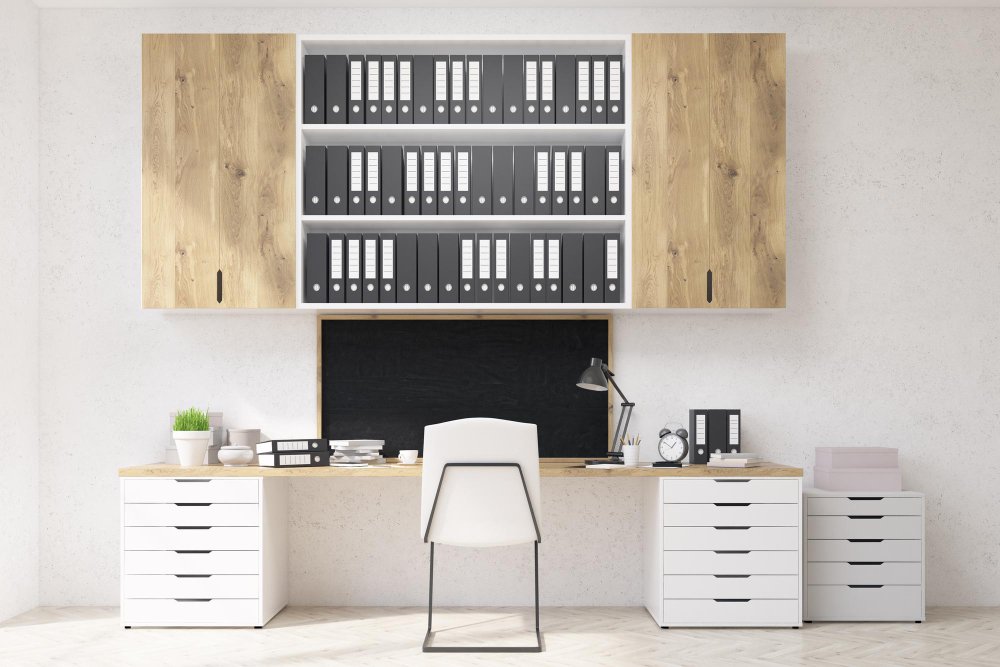
One of the most versatile solutions is combining base cabinets with upper wall cabinets. This arrangement keeps frequently used supplies close at hand while reserving overhead storage for reference materials and less frequently accessed items.
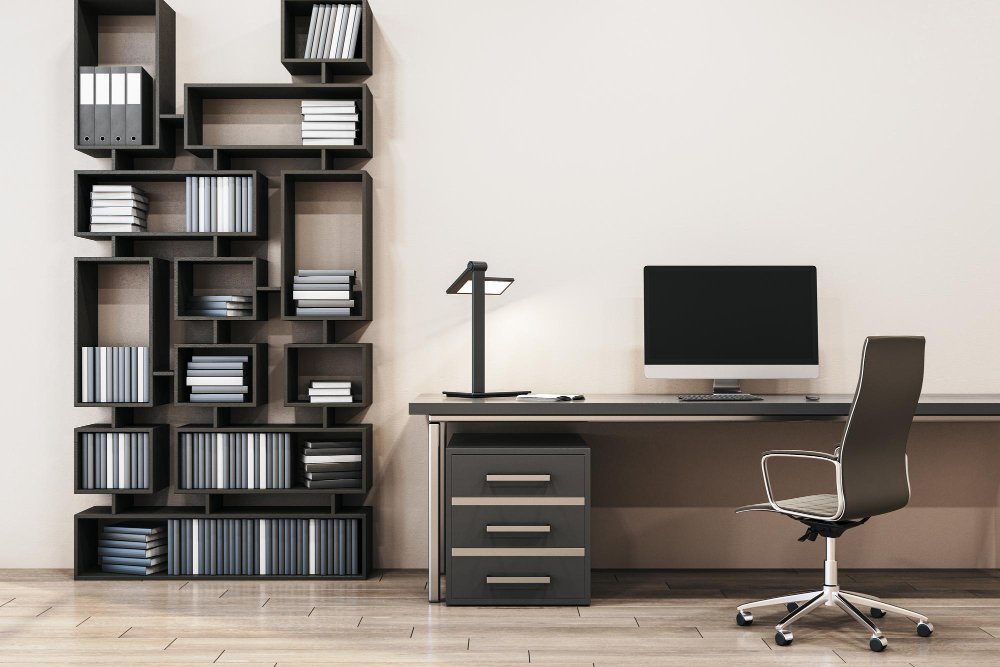
Floor-to-ceiling cabinetry is another increasingly popular choice, especially in smaller home offices where maximizing vertical space is essential. Rather than expanding outward, these cabinets make full use of wall height, providing generous storage without increasing the room’s footprint.
For homeowners seeking a cleaner aesthetic, concealed storage offers significant advantages. Built-in cabinets can hide printers, networking equipment, charging stations, and office supplies behind matching doors, creating a workspace that feels organized even when work is in progress.
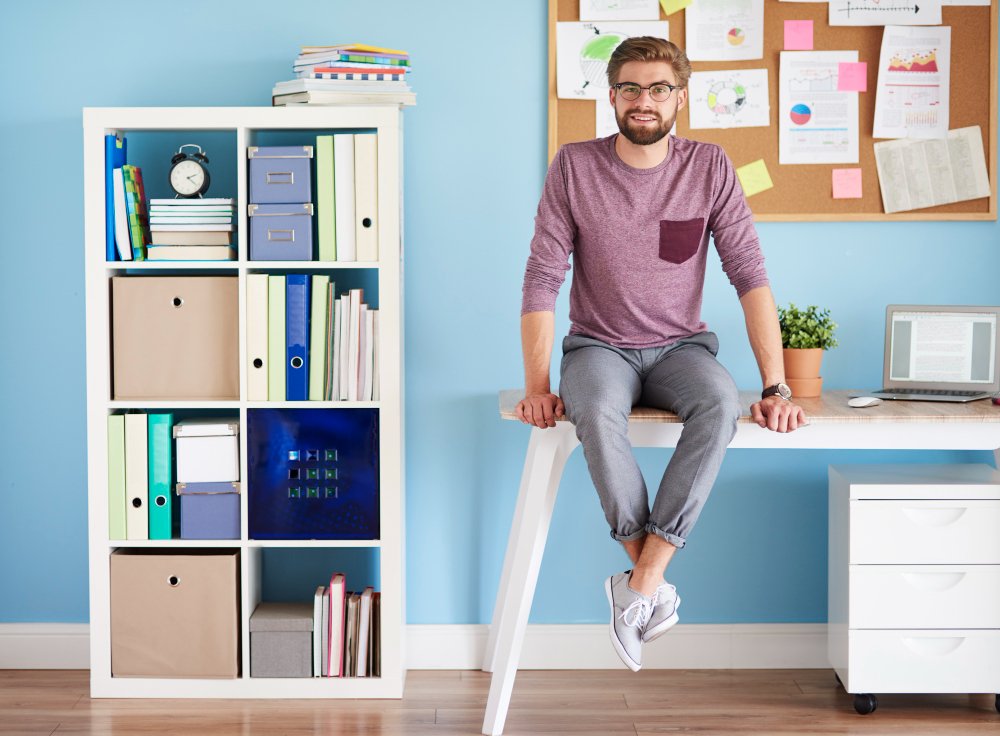
Open shelving also has a place in modern office design. Used selectively, it allows homeowners to display books, awards, artwork, or decorative objects while keeping everyday essentials inside enclosed cabinets. This balance between open and closed storage creates visual interest without sacrificing organization.
As you evaluate different home office cabinet ideas, think beyond storage volume alone. Accessibility, workflow, maintenance, and flexibility all contribute to a workspace that remains efficient as your needs evolve over time.
Another increasingly popular solution is modular cabinetry. Adjustable shelves, removable dividers, and flexible drawer organizers allow homeowners to adapt their workspace as technology and storage needs evolve. This adaptability helps ensure that today’s office remains functional for years to come.
Material
Durability
Maintenance
Appearance
Painted Wood
Excellent
Moderate
Premium and timeless
Wood Veneer
High
Moderate
Natural wood appearance
Laminate
High
Easy
Modern and versatile
Thermofoil
Moderate
Easy
Budget-friendly
Engineered Wood
High
Easy
Flexible for custom cabinetry
Choosing the Right Cabinet Configuration
Even the highest-quality cabinets will fall short if the overall layout doesn’t match your workflow. Before choosing finishes or hardware, evaluate how you use your office throughout the day.
Professionals who regularly handle paperwork may benefit from additional drawer storage and filing cabinets, while creative professionals often need larger cabinets for equipment, samples, or presentation materials. Hybrid workspaces frequently combine closed cabinets with open shelving to balance organization and display.
FACT
Built-in storage helps maintain clear work surfaces, making home offices feel larger and easier to keep organized. Studies also suggest that visually organized environments can improve concentration during extended work sessions.
Office Size
Recommended Cabinet Solution
Small Office
Wall cabinets combined with drawer storage
Medium Office
Base cabinets paired with upper cabinetry
Large Office
Full-height custom built-in cabinetry with integrated shelving
Selecting the right combination of cabinet styles ensures that storage grows with your needs while maintaining a cohesive, professional appearance.
Discover how to plan built in bar cabinets that combine style and functionality. Follow this step-by-step guide to choose the ideal layout, storage, appliances, and finishing details.
Dining room renovations improve comfort, organization, and entertaining functionality. This guide explains lighting, storage, acoustics, layout planning, and modern design strategies for stylish and practical dining spaces.
Planning for Long-Term Organization
The most successful office cabinet ideas are designed for long-term adaptability rather than short-term convenience. As work habits change and technology evolves, your storage should continue supporting productivity without requiring a complete redesign.
Consider organizing cabinets into dedicated zones for frequently used supplies, archived documents, electronics, and personal items. Labeling drawers, incorporating cable management systems, and leaving room for future equipment upgrades can significantly improve efficiency over the life of the workspace.
Statistical Summary
Home Office Design Priority
Typical Homeowner Focus
Organization
High
Storage Capacity
High
Easy Maintenance
High
Professional Appearance
High
Flexibility for Future Needs
Medium to High
Designing a Smarter Home Office
Choosing the right office cabinet ideas is about much more than adding storage. A thoughtfully designed cabinet system improves workflow, supports organization, enhances productivity, and creates a workspace that’s both functional and visually appealing.
By comparing cabinet configurations, selecting durable materials, and planning storage around your daily routine, you can build a home office that remains efficient as your needs change. Whether your priority is maximizing a compact room or creating a fully customized workspace, smart cabinetry is one of the most valuable investments you can make.

 Discover how to plan built in bar cabinets that combine style and functionality. Follow this step-by-step guide to choose the ideal layout, storage, appliances, and finishing details.
 Learn how modern kitchen renovations transform everyday living with smart layouts and efficient upgrades.
 Dining room renovations improve comfort, organization, and entertaining functionality. This guide explains lighting, storage, acoustics, layout planning, and modern design strategies for stylish and practical dining spaces.