
Why Aging-in-Place Renovations Are Becoming Essential
Aging-in-place renovation focuses on adapting homes to support long-term safety, accessibility, and independence as homeowners grow older. Rather than relocating to assisted living facilities or downsizing prematurely, many people prefer to remain in familiar environments while modifying their homes to accommodate changing mobility, comfort, and healthcare needs.
Modern aging-in-place renovations combine universal design principles, accessibility upgrades, and safety-focused construction strategies that improve functionality for all household members. Thoughtful planning helps homeowners create spaces that remain practical, comfortable, and adaptable for many years.
Prioritize Safe and Accessible Entryways
Entryways are one of the most important areas to address during an aging-in-place renovation because steps, uneven surfaces, and narrow access points can become significant mobility challenges over time.
Recommended Entryway Upgrades
- No-step exterior entrances
- Slip-resistant walkways
- Wider door openings
- Improved exterior lighting
- Lever-style door hardware
Barrier-free access improves safety while making the home more convenient for visitors, caregivers, and future mobility devices.
Improve Bathroom Safety and Accessibility
Bathrooms are among the highest-risk areas for slips and falls, making them a major focus of aging-in-place remodeling projects.
Popular Bathroom Accessibility Upgrades
- Curbless walk-in showers
- Grab bar installations
- Comfort-height toilets
- Non-slip flooring materials
- Shower seating systems
- Handheld shower fixtures
Accessible bathroom layouts improve both safety and independence while reducing physical strain during daily routines.
Install Wider Hallways and Doorways
Narrow hallways and door openings can create long-term accessibility limitations, especially if mobility aids become necessary in the future.
Benefits of Wider Access Points
- Improved wheelchair accessibility
- Easier walker navigation
- Safer movement throughout the home
- Better furniture maneuverability
Universal design standards often recommend wider circulation spaces to improve long-term flexibility.
Choose Slip-Resistant Flooring Materials
Flooring selection is critical in aging-in-place renovations because slippery or uneven surfaces significantly increase fall risks.
Recommended Flooring Options
- Luxury vinyl plank flooring
- Textured porcelain tile
- Low-pile carpeting
- Slip-resistant laminate flooring
Smooth transitions between flooring materials also help reduce tripping hazards throughout the home.
Improve Lighting Throughout the Home
Insufficient lighting can contribute to falls, eye strain, and reduced mobility confidence. Aging-in-place renovations often prioritize layered lighting systems that improve visibility in all areas.
Important Lighting Upgrades
- Bright LED ceiling fixtures
- Motion-sensor lighting
- Under-cabinet kitchen lighting
- Staircase illumination
- Night lighting systems
Proper lighting improves safety while making the home feel more comfortable and visually accessible.
Create Accessible Kitchen Layouts
Kitchens should remain functional and comfortable as mobility needs evolve. Aging-in-place kitchen renovations focus on reducing physical strain while improving accessibility.
Useful Kitchen Accessibility Features
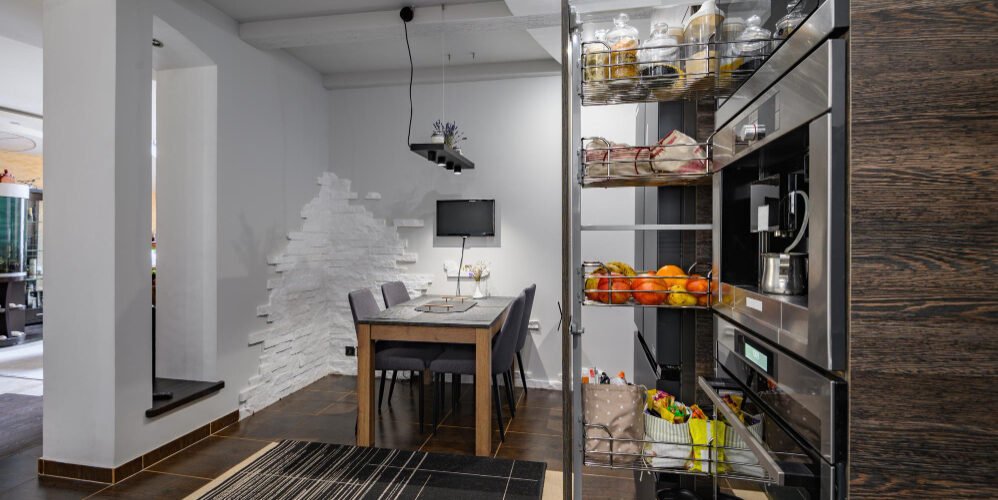
- Pull-out storage shelves
- Lower countertop sections
- Easy-grip cabinet hardware
- Drawer-based storage systems
- Touchless faucets
Efficient kitchen layouts help homeowners maintain independence during food preparation and daily household activities.
Consider First-Floor Living Arrangements
Multi-story homes can become challenging as mobility changes over time. Many aging-in-place renovations prioritize essential living spaces on the main floor.
Main-Floor Features to Prioritize
- Primary bedroom suites
- Accessible bathrooms
- Laundry room access
- Kitchen and dining areas
First-floor living reduces dependence on stairs and improves long-term accessibility.
Read More in Kitchen Promise Blog
- Built-In Bar Cabinets: A Step-by-Step Guide to Planning the Perfect Home Beverage Station
 Discover how to plan built in bar cabinets that combine style and functionality. Follow this step-by-step guide to choose the ideal layout, storage, appliances, and finishing details.
 - Kitchen Remodeling Services in Granite, ID: Create a Functional and Beautiful Gathering Space
 Learn how modern kitchen renovations transform everyday living with smart layouts and efficient upgrades.
 - How to Renovate a Dining Room for Better Functionality and Style
 Dining room renovations improve comfort, organization, and entertaining functionality. This guide explains lighting, storage, acoustics, layout planning, and modern design strategies for stylish and practical dining spaces.
Incorporate Smart Home Technology
Technology integration has become increasingly important in aging-in-place renovations because smart systems can improve convenience, monitoring, and safety.
Popular Smart Home Features
- Voice-activated lighting controls
- Smart thermostats
- Video doorbell systems
- Remote security monitoring
- Automated medication reminders
Smart technology can help homeowners maintain independence while improving communication and emergency response capabilities.
Improve Stair Safety and Mobility
Staircases are common sources of household injuries for older adults. Renovations should prioritize safe stair navigation whenever multi-level access remains necessary.
Recommended Staircase Upgrades
- Dual handrail systems
- Improved tread lighting
- Non-slip stair surfaces
- Stair lift installation options
Safe staircase design helps reduce fall risks while improving mobility confidence.
Plan for Long-Term Flexibility
The best aging-in-place renovations anticipate future needs rather than focusing only on current mobility requirements.
Flexible Design Strategies
- Reinforced bathroom walls for future grab bars
- Open floor plans with wider circulation areas
- Adaptable shower and storage systems
- Accessible electrical outlet placement
Flexible planning helps homeowners avoid additional renovations later as accessibility needs evolve.
Final Thoughts on Aging-in-Place Renovations
Aging-in-place renovations improve safety, comfort, and independence while allowing homeowners to remain in familiar environments longer. By incorporating universal design principles, accessible layouts, durable materials, and safety-focused upgrades, homeowners can create practical living spaces that support changing mobility and lifestyle needs.
Thoughtful long-term planning and professional renovation guidance help ensure homes remain functional, comfortable, and accessible for many years to come.