Quartz Colors Countertops: A Designer’s Guide to Choosing Timeless Surfaces for Every Kitchen
Every memorable kitchen begins with a series of thoughtful decisions. Some revolve around layout, others around cabinetry or lighting, but few have a greater influence on the atmosphere of the room than the countertop. It is the surface where family breakfasts begin, holiday meals take shape, and conversations continue long after dinner has ended. More than a practical workspace, a countertop becomes a visual foundation that quietly defines the personality of the entire kitchen.
Among today’s most sought-after materials, quartz continues to earn its place through an exceptional combination of beauty, durability, and design flexibility. Yet selecting from the many available quartz colors countertops is rarely as straightforward as choosing a favorite shade. Every color influences how large the room feels, how natural light is reflected, how cabinetry is perceived, and even how effortlessly the kitchen ages over time.
The most successful kitchens are rarely designed around fleeting trends. Instead, they are built upon carefully considered choices that continue to feel inviting years after installation. Understanding the relationship between color, light, texture, and daily living is what transforms a countertop from a decorative element into a lasting investment.
Chapter One: Understanding the Language of Color in Quartz Countertops
Every color communicates something before a single word is spoken. In kitchen design, quartz does more than provide a durable work surface—it establishes mood, rhythm, and balance throughout the room. The growing popularity of quartz is not simply the result of technological innovation; it reflects a broader appreciation for materials that combine practical performance with timeless visual appeal.
When homeowners begin exploring the many colors of quartz countertops, they often focus on appearance alone. They compare photographs, visit showrooms, and imagine how a particular slab might complement their cabinetry. While aesthetics certainly matter, experienced designers understand that color influences much more than style. It affects how spacious the kitchen feels, how frequently the countertop appears clean, and how gracefully the entire room adapts to future design changes.
“The most beautiful countertop isn’t always the boldest one—it’s the one that still feels right every morning ten years later.”
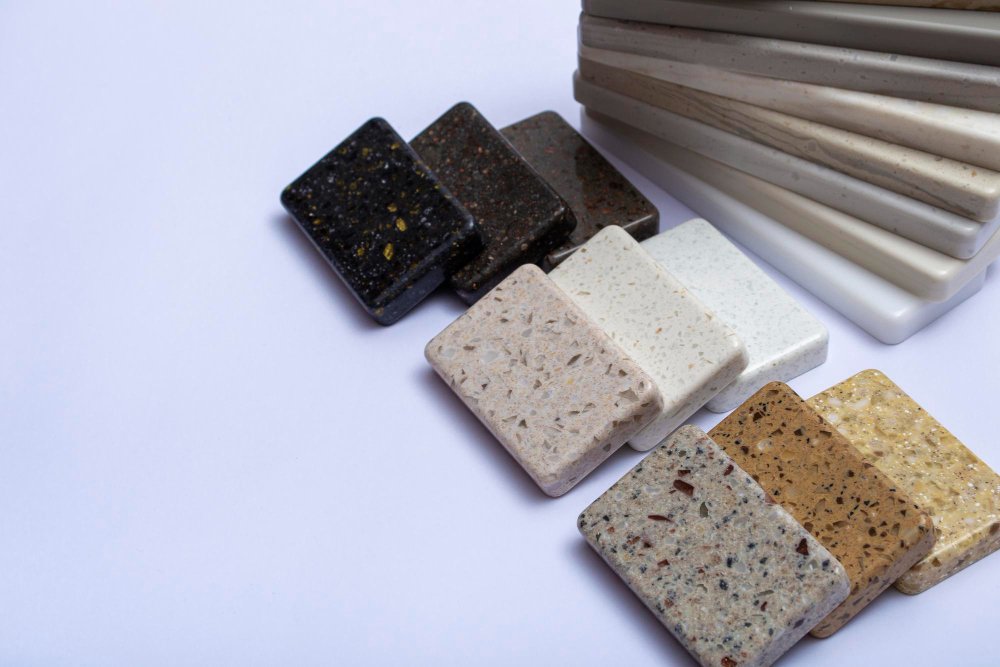
White quartz continues to hold a prominent place among the popular quartz countertops colors, and for good reason. Soft white surfaces brighten interiors, amplify natural light, and create a sense of openness that benefits both compact kitchens and expansive open-concept spaces. Their understated elegance allows cabinetry, flooring, and architectural details to take center stage while providing a clean visual foundation capable of evolving alongside changing design preferences.
Yet timeless design does not always mean choosing white. Modern quartz manufacturing offers extraordinary depth and variety, allowing homeowners to select subtle veining, warm mineral movement, or richly layered textures that imitate natural stone without its maintenance requirements. Some surfaces quietly resemble polished marble, while others evoke the understated character of limestone, concrete, or soapstone.
Color is rarely the first thing we touch in a kitchen, but it is almost always the first thing we feel. Before we notice craftsmanship or organization, our eyes respond to light, contrast, and harmony.
This emotional response explains why countertop selection should never be rushed. Unlike decorative accessories that can be replaced every few seasons, a quartz countertop often remains part of the home for decades. It influences every cabinet color, backsplash selection, hardware finish, and paint choice that follows.
Perhaps the greatest strength of quartz lies in its remarkable versatility. Whether the vision is Scandinavian simplicity, transitional warmth, modern minimalism, or classic elegance, there is a color capable of reinforcing that architectural story without overwhelming it.
Chapter Two: How Quartz Colors Shape the Character of a Kitchen
Design professionals often say that cabinetry provides the structure of a kitchen while the countertop supplies its personality. This becomes particularly evident when comparing lighter and darker quartz surfaces. Two kitchens with identical layouts can feel entirely different simply because the countertop color changes the way light moves throughout the room.
One of the most versatile choices remains grey quartz countertops colors. Gray occupies a unique position within modern interior design because it bridges warm and cool palettes with remarkable ease. Soft gray quartz introduces sophistication without feeling overly formal, pairing comfortably with white shaker cabinets, natural oak finishes, walnut tones, painted navy islands, and even contemporary black fixtures.
Gray also possesses practical advantages that homeowners frequently overlook during the planning process. Medium-gray surfaces tend to disguise everyday dust, fingerprints, and light water spots more effectively than very dark or brilliantly white countertops. For busy households where the kitchen is constantly in use, this subtle characteristic can make daily maintenance feel noticeably easier.
By contrast, darker quartz introduces drama and architectural definition. Rich charcoal or deep black surfaces establish bold visual anchors that naturally draw attention toward the center of the room. When thoughtfully balanced with lighter cabinetry, generous lighting, and reflective finishes, darker countertops create interiors that feel luxurious rather than heavy.
The enduring appeal of a black and white quartz countertop lies in this balance of contrast and harmony. White backgrounds animated by expressive black veining have become a defining feature of many contemporary kitchens because they capture the elegance of natural marble while offering the durability and consistency associated with engineered quartz. Rather than dominating the room, these dramatic patterns often become works of functional art, adding movement and visual depth without requiring excessive ornamentation elsewhere.
Contrast succeeds when it feels intentional. The strongest kitchens rarely depend on loud design statements; they rely on carefully balanced relationships between every surface, shadow, and source of light.
Light itself completes the conversation between color and material. Morning sunlight softens delicate veining, afternoon illumination enhances subtle mineral textures, and warm evening lighting transforms cool gray surfaces into welcoming backdrops for everyday life. Understanding how quartz responds throughout the day is often the difference between selecting a countertop that merely looks attractive in a showroom and one that continues to inspire satisfaction every time the kitchen is used.
As homeowners continue exploring the many quartz colors countertops available today, they often discover that the best choice is rarely the one that commands immediate attention. Instead, it is the color that quietly supports everyday living, allowing the entire kitchen to feel balanced, welcoming, and effortlessly cohesive year after year.
A countertop should never compete with the kitchen around it. Its greatest achievement is creating harmony so naturally that every other design element appears exactly where it belongs.
Discover how to plan built in bar cabinets that combine style and functionality. Follow this step-by-step guide to choose the ideal layout, storage, appliances, and finishing details.
Dining room renovations improve comfort, organization, and entertaining functionality. This guide explains lighting, storage, acoustics, layout planning, and modern design strategies for stylish and practical dining spaces.
Chapter Three: Choosing a Countertop You’ll Love for Years to Come
One of the greatest misconceptions in kitchen design is that selecting a countertop begins with color. In reality, the process begins with understanding how the kitchen is lived in. A family preparing multiple meals each day has different priorities than a couple who entertains on weekends. A compact city kitchen interacts with light differently than an expansive open-concept space. These everyday realities should guide color selection long before a sample is placed beside a cabinet door.
Designers often encourage homeowners to imagine their kitchen five or even ten years into the future. Cabinets may eventually be repainted. Hardware can easily be updated. Lighting fixtures and wall colors evolve with changing tastes. The countertop, however, is usually one of the longest-lasting investments in the room. Choosing a surface that complements both current and future design directions protects that investment while preserving visual continuity.
This is one reason neutral palettes continue to dominate the list of popular quartz countertops colors. Soft whites, warm ivories, elegant grays, and subtle taupes possess remarkable flexibility. They adapt comfortably to changing cabinet colors, flooring materials, and decorative accents without requiring expensive renovations each time design preferences shift.
That flexibility becomes particularly valuable when working with natural wood cabinetry. White quartz creates crisp contrast against oak or walnut, emphasizing grain patterns and warmth without overpowering them. Gray quartz introduces understated sophistication, balancing both cool and warm wood species with equal confidence. Even darker quartz surfaces, when paired thoughtfully with generous lighting, can transform wood cabinetry into a striking architectural feature rather than a purely functional element.
Many homeowners are also drawn to bold veining inspired by marble. A black and white quartz countertop offers this dramatic visual effect while delivering the consistency and durability that engineered quartz is known for. Used thoughtfully, expressive veining becomes a focal point that eliminates the need for overly decorative backsplashes or excessive ornamentation elsewhere in the kitchen. The countertop itself provides enough visual interest to anchor the entire composition.
Practicality remains just as important as appearance. Light-colored quartz often makes compact kitchens feel brighter and more spacious by reflecting natural daylight throughout the room. Medium-gray surfaces are appreciated for their ability to disguise fingerprints, crumbs, and minor dust between cleanings, making them especially appealing for active households. Dark quartz creates remarkable visual depth but generally benefits from strong lighting and careful planning to prevent smaller spaces from feeling enclosed.
The finest kitchens succeed because every decision supports the next. Color, light, texture, and craftsmanship work together quietly until the room feels complete without calling attention to any single element.
Another overlooked consideration is permanence. Many trends enjoy a brief period of popularity before fading, yet certain color families continue to define exceptional kitchens decade after decade. Soft neutrals inspired by natural stone remain timeless because they respond beautifully to changing architecture and evolving personal style. Rather than chasing seasonal fashion, these surfaces create an enduring foundation capable of supporting countless future updates.
“Lasting design is never about choosing what is newest. It is about choosing what continues to feel beautiful long after the excitement of something new has faded.”
Ultimately, selecting among the many colors of quartz countertops is an exercise in understanding how beauty and function coexist. A countertop should not simply impress visitors on installation day. It should remain a source of satisfaction through busy weekday mornings, quiet evenings, family celebrations, and the countless ordinary moments that give a home its character.

 Discover how to plan built in bar cabinets that combine style and functionality. Follow this step-by-step guide to choose the ideal layout, storage, appliances, and finishing details.
 Learn how modern kitchen renovations transform everyday living with smart layouts and efficient upgrades.
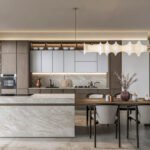 Dining room renovations improve comfort, organization, and entertaining functionality. This guide explains lighting, storage, acoustics, layout planning, and modern design strategies for stylish and practical dining spaces.