
What Is the Difference Between Corian and Formica?
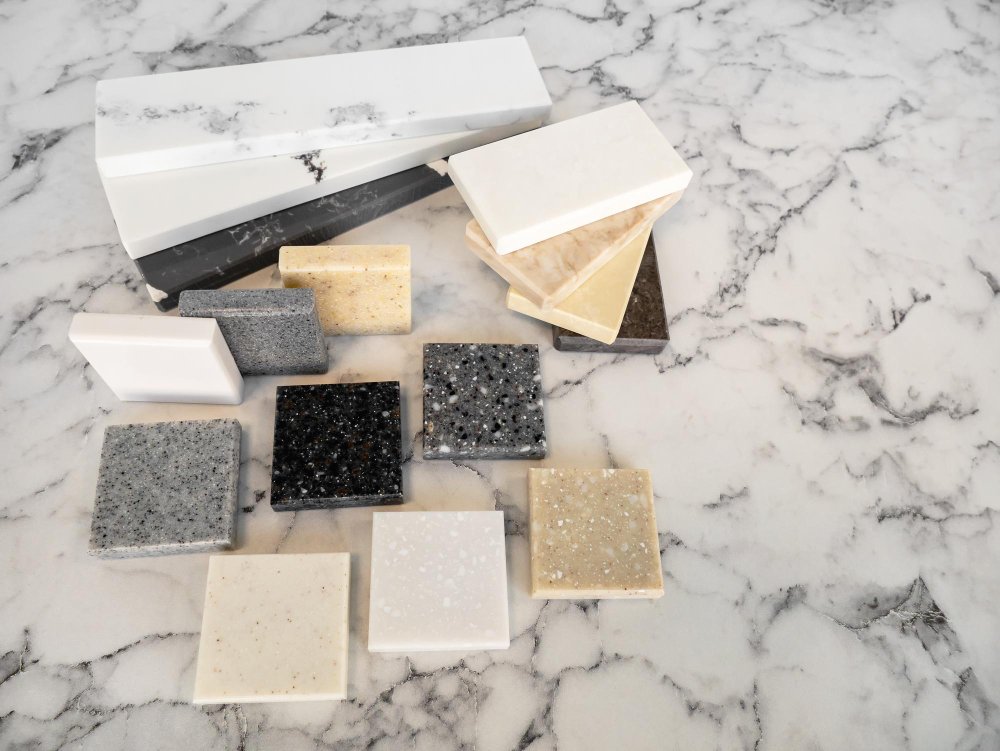
The biggest difference lies in how the materials are made. Corian is a solid-surface material manufactured from a blend of natural minerals and acrylic resin. Because the color and pattern run throughout the entire thickness of the slab, scratches and minor damage can often be sanded away without replacing the countertop. Corian can also be thermoformed into curved shapes and joined with nearly invisible seams, creating a smooth, continuous appearance. Formica, on the other hand, is traditionally a high-pressure laminate. It consists of decorative paper layers bonded to a durable core. Modern Formica products are far more attractive than older laminates, offering realistic stone, wood, and concrete designs at a significantly lower price than many premium countertop materials. In simple terms, Corian is a solid material from top to bottom, while Formica is a decorative surface applied over a core substrate. That fundamental difference influences nearly every aspect of performance, from durability to repairability.- Choose Corian if: you want seamless installation, long-term durability, and the ability to repair minor surface damage.
- Choose Formica if: affordability, decorative variety, and budget-conscious remodeling are your highest priorities.
Which Material Lasts Longer?
Longevity depends on both the material itself and how the countertop is used. Corian is designed for decades of everyday use when properly maintained. Since the surface is solid throughout, light scratches, stains, and small imperfections usually don’t signal the end of the countertop’s life. In many cases, they can be professionally refinished, allowing the surface to regain much of its original appearance. This ability to restore rather than replace is one of Corian’s biggest long-term advantages. Formica is also durable, especially for normal household use, but its decorative layer has limitations. If the laminate becomes deeply chipped, severely scratched, or damaged by excessive heat or moisture around exposed edges, repairs are generally more difficult and sometimes impossible to blend seamlessly. Depending on the severity of the damage, replacement of the affected section may be the most practical solution. Another factor is impact resistance. Both materials perform well during everyday cooking and bathroom routines, but neither is indestructible. Heavy impacts from cast-iron cookware or sharp objects can damage either surface, although Corian’s repairability gives it an advantage after accidental damage occurs.Quick Summary
If long-term durability is your top priority, Corian generally has the advantage. Its solid construction allows many scratches and minor damage to be repaired rather than permanently remaining visible. Formica is highly durable for everyday household use, but significant damage is usually more difficult to restore.
Which Countertop Is Easier to Maintain?
Both materials are considered relatively low maintenance compared to natural stone, making them attractive choices for busy households. However, they differ in how they respond to daily wear and how homeowners should care for them. Corian features a non-porous surface, meaning it does not require periodic sealing like granite or marble. Routine cleaning usually involves nothing more than warm water, a soft cloth, and a mild household cleaner. Because liquids cannot penetrate the surface under normal conditions, everyday spills from coffee, juice, toothpaste, or cosmetics are generally easy to remove if cleaned promptly. Formica is also non-porous and simple to clean, making it well suited for families looking for a practical, low-maintenance countertop. Most everyday messes wipe away easily without specialized cleaning products. The primary difference is that homeowners should avoid abrasive scrubbers that may gradually dull or scratch the laminate finish. Regardless of which material you choose, proper daily habits make the biggest difference. Using cutting boards instead of cutting directly on the countertop, placing hot cookware on trivets, and cleaning spills before they dry will help preserve the appearance of either surface for many years. One maintenance difference that often surprises homeowners involves repair options. Corian’s solid composition allows many light scratches to be buffed or sanded away by a professional, helping restore the countertop’s original appearance. Formica does not offer the same flexibility because its decorative layer is relatively thin. Once that layer is significantly damaged, repairs are much more noticeable or may require replacing the affected section. Neither material should be treated as a cutting board or exposed directly to extremely hot cookware. Using trivets, heat pads, and cutting boards remains the best way to maximize the lifespan of both countertop types.Which Material Looks More Premium?
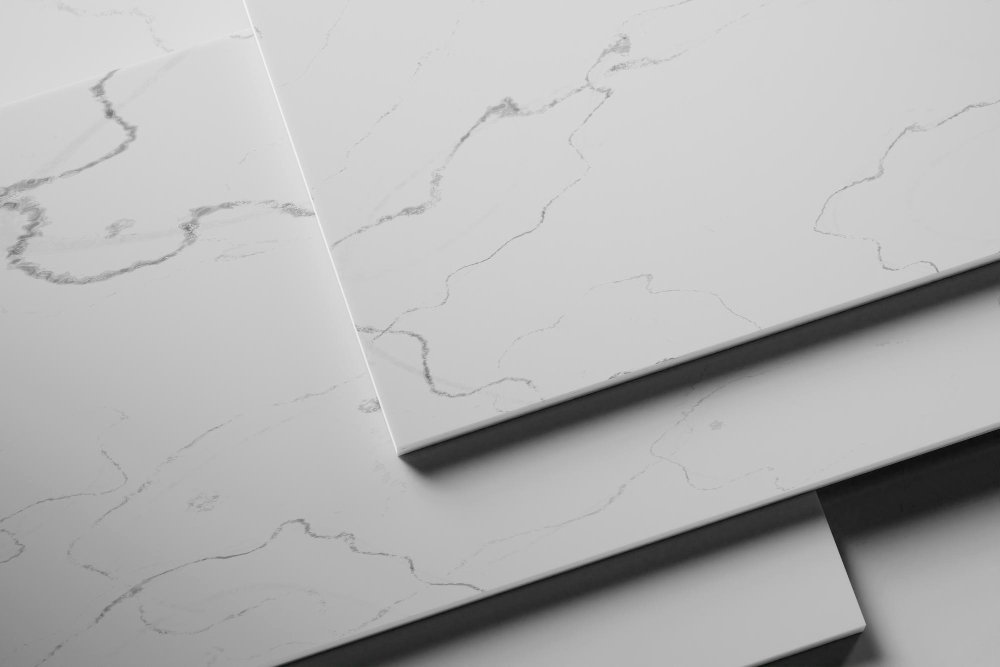
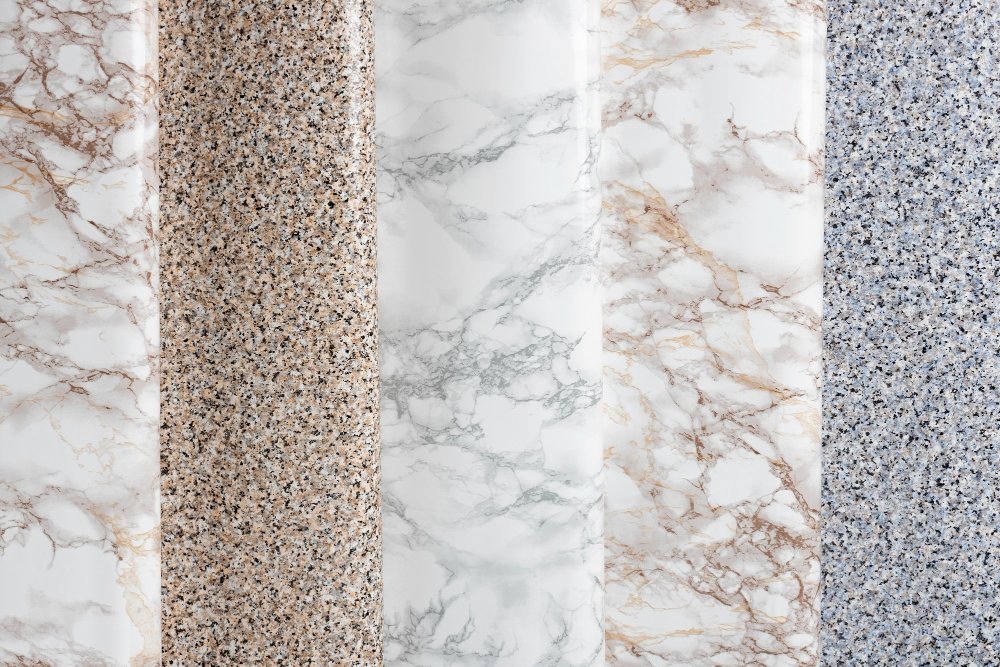
Appearance is often the deciding factor for homeowners comparing Corian vs Formica, and the answer depends on the style you’re trying to achieve. Corian offers a clean, seamless appearance that has long been associated with custom kitchens and luxury bathrooms. Integrated sinks, smooth transitions between countertop sections, and the absence of visible joints create an elegant, built-in look that is difficult for laminate surfaces to replicate. This makes Corian especially popular in contemporary, minimalist, and high-end designs. Formica has evolved dramatically over the past decade. Today’s collections feature remarkably realistic designs inspired by marble, quartz, wood, terrazzo, and concrete. From a distance, many premium laminate patterns convincingly resemble natural materials while costing significantly less. However, close inspection often reveals visible edges, seams, and thickness differences that distinguish laminate from solid-surface products. If visual sophistication and custom craftsmanship are your highest priorities, Corian generally provides the more upscale appearance. If your goal is to achieve an attractive design while staying within a tighter remodeling budget, modern Formica offers impressive aesthetic value.Can Corian and Formica Be Repaired?
This is one of the biggest practical differences between the two materials. Minor scratches, surface stains, and small imperfections on Corian can often be repaired through sanding and refinishing. Because the material is solid throughout, restoring the surface usually blends naturally with the surrounding countertop instead of creating an obvious patch. Formica is less forgiving. Small chips along exposed edges may occasionally be repaired with color-matched fillers, but deep scratches, burns, swelling caused by moisture, or large impact damage are much more difficult to disguise successfully. In many situations, replacing part—or all—of the laminate countertop becomes the most practical solution.
Quick Summary
If you want a countertop that can recover from everyday wear, Corian has a clear advantage. Its repairability helps extend its useful life and maintain a like-new appearance for many years.
Which Countertop Is Better for Kitchens?
For busy kitchens where cooking happens every day, both materials perform well—but they serve different priorities. Corian is often the better choice if you:- plan to stay in your home for many years;
- want seamless countertops with integrated sinks;
- prefer a premium, custom appearance;
- value long-term repairability.
- have a limited remodeling budget;
- want a wide selection of colors and patterns;
- are renovating a rental property or investment home;
- need an attractive surface without the cost of premium materials.
Read More in Kitchen Promise Blog
- Built-In Bar Cabinets: A Step-by-Step Guide to Planning the Perfect Home Beverage Station
 Discover how to plan built in bar cabinets that combine style and functionality. Follow this step-by-step guide to choose the ideal layout, storage, appliances, and finishing details.
 - Kitchen Remodeling Services in Granite, ID: Create a Functional and Beautiful Gathering Space
 Learn how modern kitchen renovations transform everyday living with smart layouts and efficient upgrades.
 - How to Renovate a Dining Room for Better Functionality and Style
 Dining room renovations improve comfort, organization, and entertaining functionality. This guide explains lighting, storage, acoustics, layout planning, and modern design strategies for stylish and practical dining spaces.
Which Countertop Is Better for Bathrooms?
Bathrooms place different demands on countertops than kitchens. Exposure to water, soap, cosmetics, and daily grooming products makes moisture resistance especially important. Both Corian and Formica feature non-porous surfaces that resist everyday moisture when properly installed. However, Corian’s seamless fabrication offers an additional benefit by reducing joints where water and soap residue can collect. Integrated sinks also create a cleaner appearance and simplify routine maintenance. Formica performs well in bathrooms, particularly powder rooms and guest bathrooms where usage is lighter. For luxury primary bathrooms, however, Corian’s smooth, continuous design often delivers the elevated appearance homeowners seek.How Much Does Corian Cost Compared to Formica?
Price is often the reason homeowners begin comparing these materials. In general, Formica is one of the most budget-friendly countertop options available, making it attractive for large remodeling projects or homeowners looking to control renovation costs. Corian typically costs more because of its material composition, fabrication process, and professional installation requirements. While the initial investment is higher, many homeowners view the added durability, seamless appearance, and repairability as worthwhile benefits over the life of the countertop.Which Material Offers Better Long-Term Value?
The answer depends on how you define value. If your goal is achieving the lowest upfront cost while still creating an attractive kitchen or bathroom, Formica delivers exceptional value. If you’re focused on longevity, repairability, premium aesthetics, and reducing the likelihood of future replacement, Corian often provides greater long-term satisfaction despite its higher purchase price.| Feature | Corian | Formica |
|---|---|---|
| Appearance | ★★★★★ | ★★★★☆ |
| Durability | ★★★★☆ | ★★★☆☆ |
| Repairability | Excellent | Limited |
| Maintenance | Easy | Easy |
| Initial Cost | Higher | Lower |