
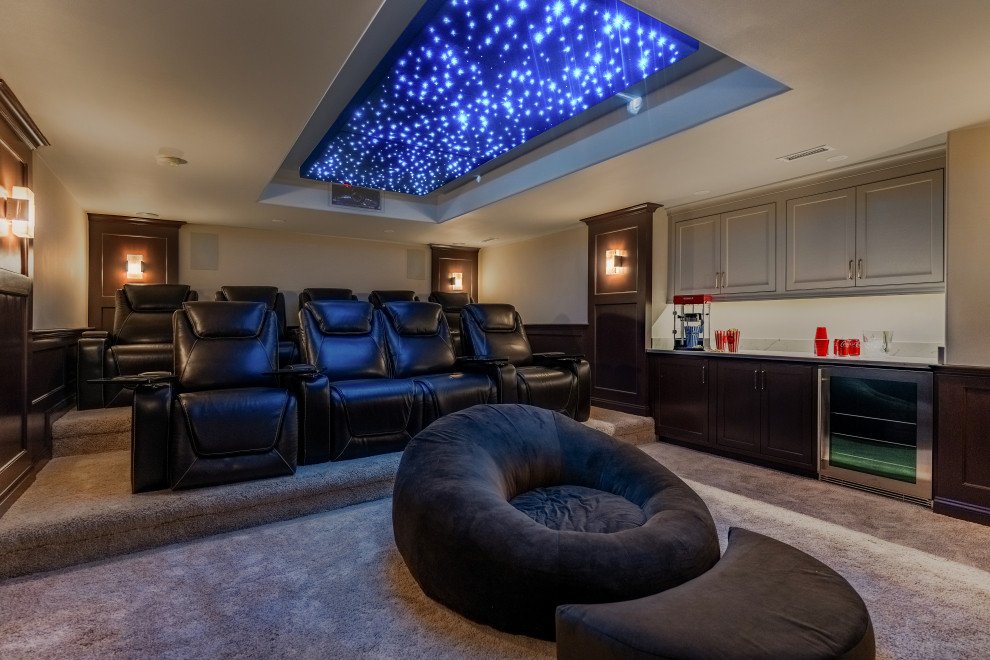
Why Home Theater Renovations Are Growing in Popularity
A home theater renovation allows homeowners to create immersive entertainment environments that combine cinematic sound, advanced technology, and luxurious comfort within the home. As streaming services, gaming systems, and high-definition media continue to evolve, many families are transforming unused basements, bonus rooms, and spare living areas into dedicated entertainment spaces.
Modern home theater renovations focus on acoustics, lighting control, seating comfort, sound isolation, and integrated smart technology. A thoughtfully designed theater room can improve everyday entertainment while significantly enhancing overall property appeal and functionality.
Choose the Right Room for a Home Theater
The success of a home theater renovation often begins with selecting the right location. Some rooms naturally support better acoustics, lighting control, and sound isolation than others.
Popular Home Theater Locations
- Finished basements
- Bonus rooms above garages
- Unused guest rooms
- Attic conversion spaces
- Dedicated media rooms
Basements are especially popular because they typically offer reduced exterior noise and naturally darker environments for viewing.
Prioritize Acoustic Design and Sound Quality
Audio performance is one of the most important elements of a successful home theater renovation. Poor acoustics can significantly reduce the quality of movies, music, and gaming experiences.
Important Acoustic Improvements
- Acoustic wall panels
- Sound-absorbing carpeting
- Insulated wall cavities
- Acoustic ceiling treatments
- Bass management systems
Balanced acoustics improve sound clarity while reducing unwanted echo and sound distortion.
Improve Sound Isolation Between Rooms
Home theaters often produce powerful audio levels that can disturb other areas of the home if soundproofing is insufficient.
Effective Soundproofing Features
- Resilient channel wall systems
- Solid-core entry doors
- Acoustic insulation materials
- Double drywall installations
- Weather-sealed openings
Proper sound isolation allows homeowners to enjoy immersive entertainment without disrupting nearby living spaces.
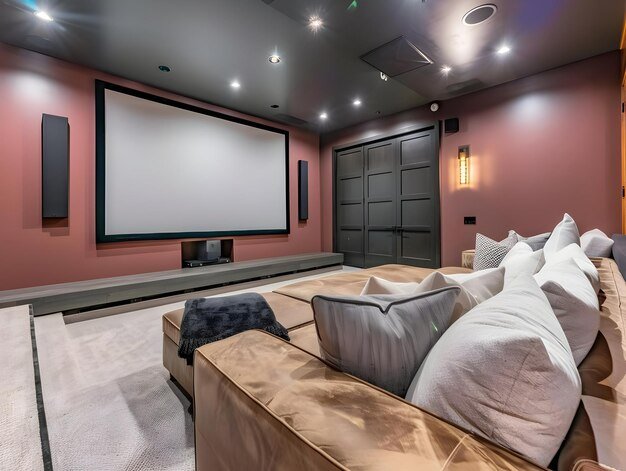
Select Comfortable Theater Seating
Comfortable seating significantly affects the long-term enjoyment and functionality of a home theater renovation.
Popular Home Theater Seating Options
- Reclining theater chairs
- Tiered seating platforms
- Modular sectional sofas
- Integrated cup holder seating
- Power-adjustable recliners
Seating layouts should provide clear viewing angles while maintaining comfortable circulation pathways.
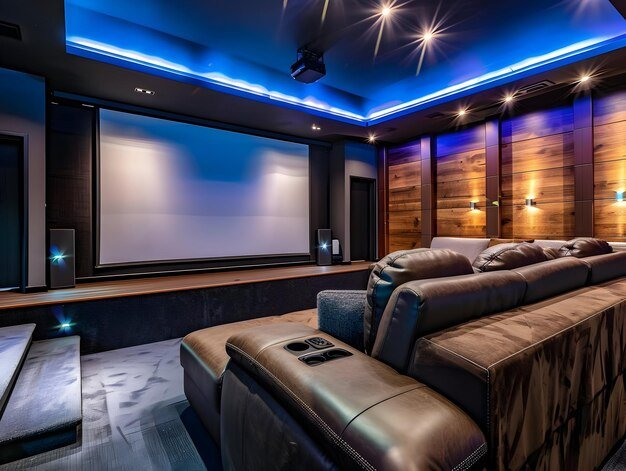
Use Layered Lighting Systems
Lighting design plays a major role in creating authentic cinematic environments while maintaining safe movement throughout the room.
Recommended Theater Lighting Features
- Dimmable LED lighting
- Recessed ceiling fixtures
- Step and aisle lighting
- Accent wall lighting
- Smart lighting automation
Layered lighting allows homeowners to transition easily between viewing mode and general room use.
Choose the Right Display System
Display technology is a central component of every home theater renovation. The ideal setup depends on room size, budget, and viewing preferences.
Popular Home Theater Display Options
- Large-format OLED televisions
- 4K laser projectors
- Acoustically transparent screens
- Ultra-short-throw projection systems
Projector systems are often preferred for larger dedicated theater rooms because they create more immersive cinematic viewing experiences.
Read More in Kitchen Promise Blog
- Built-In Bar Cabinets: A Step-by-Step Guide to Planning the Perfect Home Beverage Station
 Discover how to plan built in bar cabinets that combine style and functionality. Follow this step-by-step guide to choose the ideal layout, storage, appliances, and finishing details.
 - Kitchen Remodeling Services in Granite, ID: Create a Functional and Beautiful Gathering Space
 Learn how modern kitchen renovations transform everyday living with smart layouts and efficient upgrades.
 - How to Renovate a Dining Room for Better Functionality and Style
 Dining room renovations improve comfort, organization, and entertaining functionality. This guide explains lighting, storage, acoustics, layout planning, and modern design strategies for stylish and practical dining spaces.
Integrate Smart Home Technology
Modern home theaters increasingly rely on integrated automation systems that simplify entertainment control.
Popular Smart Theater Features
- Voice-activated controls
- Automated lighting scenes
- Motorized blackout shades
- Universal remote systems
- Streaming device integration
Smart controls improve convenience while creating seamless entertainment experiences.
Optimize Climate Control and Ventilation
Home theaters often generate additional heat because of electronics, projectors, amplifiers, and multiple occupants.
Important Theater Climate Features
- Dedicated HVAC zoning
- Quiet ventilation systems
- Temperature management controls
- Improved airflow circulation
Comfortable climate conditions improve long-term usability during extended movie or gaming sessions.
Use Dark and Non-Reflective Finishes
Reflective surfaces can interfere with viewing quality by creating glare and reducing image contrast.
Recommended Theater Design Finishes
- Dark matte paint colors
- Acoustic fabric wall panels
- Low-reflective flooring materials
- Blackout curtains and shades
Darker finishes improve image quality while enhancing the immersive atmosphere of the theater room.
Include Functional Storage Solutions
Home theaters benefit from organized storage for electronics, gaming systems, movies, and accessories.
Useful Theater Storage Features
- Built-in media cabinetry
- Hidden equipment racks
- Gaming accessory storage
- Integrated shelving systems
Concealed storage helps maintain clean aesthetics while protecting sensitive electronic equipment.
Plan for Future Technology Upgrades
Entertainment technology evolves rapidly, making flexible infrastructure planning especially important during theater renovations.
Future-Proofing Strategies
- Conduit pathways for wiring
- Expandable speaker configurations
- Extra electrical capacity
- Flexible media equipment access
Forward-thinking design helps simplify future upgrades without requiring major remodeling later.
Final Thoughts on Home Theater Renovations
A thoughtfully planned home theater renovation creates immersive entertainment experiences while improving household comfort and property functionality. By combining acoustic treatments, comfortable seating, smart technology integration, lighting control, and sound isolation, homeowners can build highly enjoyable entertainment spaces tailored to modern lifestyles.
Whether designing a dedicated cinematic room or a multifunctional media lounge, careful planning and professional installation help ensure long-term home theater performance and comfort.