

Why Indoor Air Quality Matters During Home Renovations
Indoor air quality is one of the most overlooked aspects of home remodeling, yet it directly affects comfort, respiratory health, energy efficiency, and long-term living conditions. During renovations, construction dust, volatile organic compounds, moisture exposure, insulation particles, adhesives, paints, and poor ventilation can significantly reduce indoor air quality if proper precautions are not taken.
Modern remodeling projects increasingly prioritize healthy indoor environments by incorporating low-emission materials, improved ventilation systems, moisture control, and advanced filtration technologies. Thoughtful planning helps homeowners create cleaner and healthier living spaces throughout and after the renovation process.
1. Upgrade Ventilation Systems During Remodeling
Proper ventilation is one of the most effective ways to improve indoor air quality during a home remodel. Without sufficient airflow, pollutants and airborne particles can accumulate indoors.
Recommended Ventilation Improvements
- Energy recovery ventilation systems
- High-efficiency bathroom exhaust fans
- Kitchen range hoods with exterior venting
- Improved attic and crawlspace ventilation
- Whole-home fresh air systems
Balanced airflow helps remove airborne contaminants while maintaining healthier humidity levels throughout the home.
2. Choose Low-VOC Paints and Finishes
Many traditional paints, adhesives, sealants, and finishes release volatile organic compounds that negatively affect indoor air quality.
Benefits of Low-VOC Materials
- Reduced chemical odors
- Lower indoor pollutant levels
- Improved respiratory comfort
- Safer indoor environments for children and pets
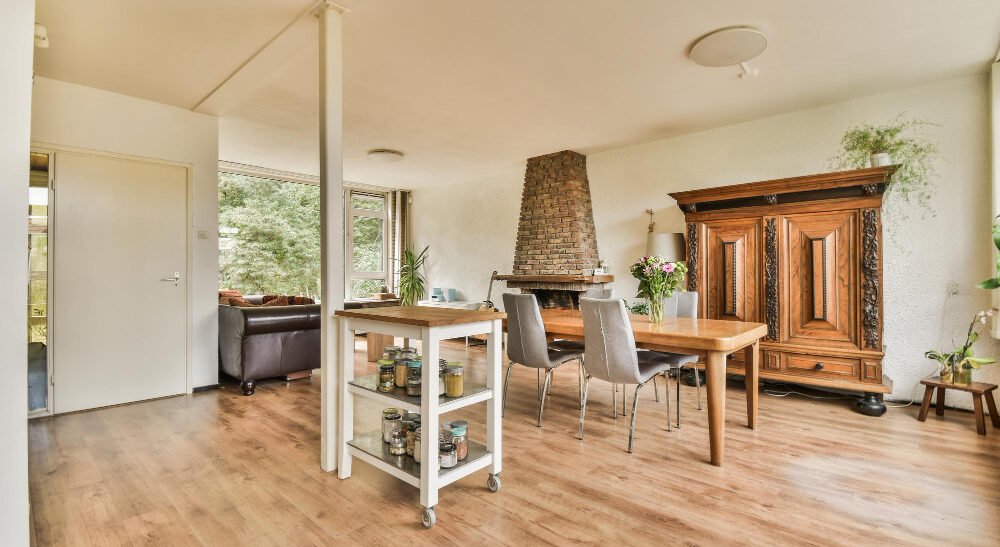

Low-emission renovation materials help minimize indoor chemical exposure during and after remodeling projects.
3. Improve HVAC Filtration Systems
Renovation projects often release fine construction dust and airborne debris that circulate through heating and cooling systems.
Effective HVAC Air Quality Upgrades
- High-efficiency air filters
- Whole-home air purification systems
- Regular duct cleaning
- UV air treatment systems
- HEPA filtration technology
Improved filtration systems help reduce allergens, dust particles, and airborne contaminants throughout the home.
4. Control Moisture to Prevent Mold Growth
Moisture problems are one of the leading causes of poor indoor air quality during remodeling projects. Water intrusion and excessive humidity can contribute to mold development and structural deterioration.
Important Moisture Control Strategies
- Proper waterproofing systems
- Bathroom ventilation upgrades
- Leak detection improvements
- Humidity control systems
- Moisture-resistant building materials
Effective moisture management helps maintain healthier indoor environments while protecting renovation investments.
5. Use Hard Surface Flooring Instead of High-Allergen Materials
Flooring materials can significantly affect indoor air quality because some surfaces trap allergens, dust, and pet dander more easily than others.
Recommended Low-Allergen Flooring Options
- Luxury vinyl plank flooring
- Porcelain tile
- Engineered hardwood
- Sealed concrete surfaces
Hard surface flooring simplifies cleaning while helping reduce allergen accumulation in high-traffic areas.
Read More in Kitchen Promise Blog
- Built-In Bar Cabinets: A Step-by-Step Guide to Planning the Perfect Home Beverage Station
 Discover how to plan built in bar cabinets that combine style and functionality. Follow this step-by-step guide to choose the ideal layout, storage, appliances, and finishing details.
 - Kitchen Remodeling Services in Granite, ID: Create a Functional and Beautiful Gathering Space
 Learn how modern kitchen renovations transform everyday living with smart layouts and efficient upgrades.
 - How to Renovate a Dining Room for Better Functionality and Style
 Dining room renovations improve comfort, organization, and entertaining functionality. This guide explains lighting, storage, acoustics, layout planning, and modern design strategies for stylish and practical dining spaces.
6. Seal Construction Areas During Renovation
During active remodeling, dust and airborne debris can spread throughout the home if work zones are not isolated properly.
Ways to Reduce Renovation Dust Exposure
- Plastic containment barriers
- Negative air pressure systems
- Temporary ventilation fans
- Regular debris removal schedules
- Protective floor coverings
Containment systems help minimize disruption while protecting unaffected living spaces.
7. Add Indoor Plants Carefully for Air Improvement
Certain indoor plants may contribute modestly to improved indoor environments while enhancing overall comfort and visual appeal.
Popular Low-Maintenance Indoor Plants
- Snake plants
- Peace lilies
- Spider plants
- Pothos varieties
Although plants alone cannot solve major air quality problems, they may complement broader ventilation and filtration improvements.
Improve Kitchen Air Quality with Better Ventilation
Kitchens generate smoke, grease particles, moisture, and cooking odors that can reduce indoor air quality significantly.
Important Kitchen Air Quality Features
- Exterior-vented range hoods
- High-capacity exhaust systems
- Easy-to-clean surfaces
- Improved airflow circulation
Effective kitchen ventilation reduces airborne grease and moisture while improving comfort during cooking.
Reduce Dust Accumulation Through Smart Design
Certain design choices make it easier to maintain cleaner indoor environments over time.
Dust-Reducing Renovation Strategies
- Minimalist trim profiles
- Closed storage cabinetry
- Easy-to-clean flooring
- Reduced fabric-heavy surfaces
- Smooth wall finishes
Low-maintenance surfaces help simplify cleaning and improve long-term indoor cleanliness.
Professional Air Quality Testing Can Be Valuable
In larger remodeling projects or homes with existing respiratory concerns, professional indoor air quality testing may help identify hidden pollutants or moisture-related problems.
Common Air Quality Concerns Tested
- Mold spores
- VOC levels
- Humidity imbalance
- Particulate matter concentration
Testing can help homeowners verify that ventilation and filtration systems are functioning properly after renovations are completed.
Final Thoughts on Indoor Air Quality During Remodeling
Improving indoor air quality during a home remodel helps create healthier, more comfortable, and more energy-efficient living environments. By prioritizing ventilation, low-emission materials, moisture control, HVAC filtration, and dust management, homeowners can significantly reduce airborne contaminants and improve long-term indoor comfort.
Careful planning and health-focused renovation strategies help ensure remodeling projects support both structural improvements and overall household well-being.