
“Replacing a roof isn’t simply fixing a problem—it’s investing in decades of protection for everything you value most.”
Know the Signs Before Problems Get Worse
One of the biggest mistakes homeowners make is waiting too long. Roofing problems often develop slowly, making them easy to overlook until significant damage appears inside the house. By the time water stains show up on your ceiling, the issue may have been developing for months. If you’ve noticed missing shingles after a storm or your roof is approaching the end of its expected lifespan, it may be time to schedule a professional inspection. Catching problems early gives you more options and helps prevent costly structural repairs later. Watch for these common warning signs:- Missing, cracked, or curling shingles
- Frequent leaks after heavy rain
- Water stains on ceilings or attic walls
- Sagging roof sections
- Granules collecting in gutters
- Visible mold, mildew, or moisture damage
Quick Tip
If your roof is more than 20 years old, consider scheduling an inspection even if you don’t see obvious damage. Small issues are often hidden beneath the shingles and are much less expensive to address early.
Once you’ve confirmed a replacement is necessary, the next step is selecting materials that fit both your home’s style and your long-term goals.

Choose Materials That Match Your Home and Lifestyle
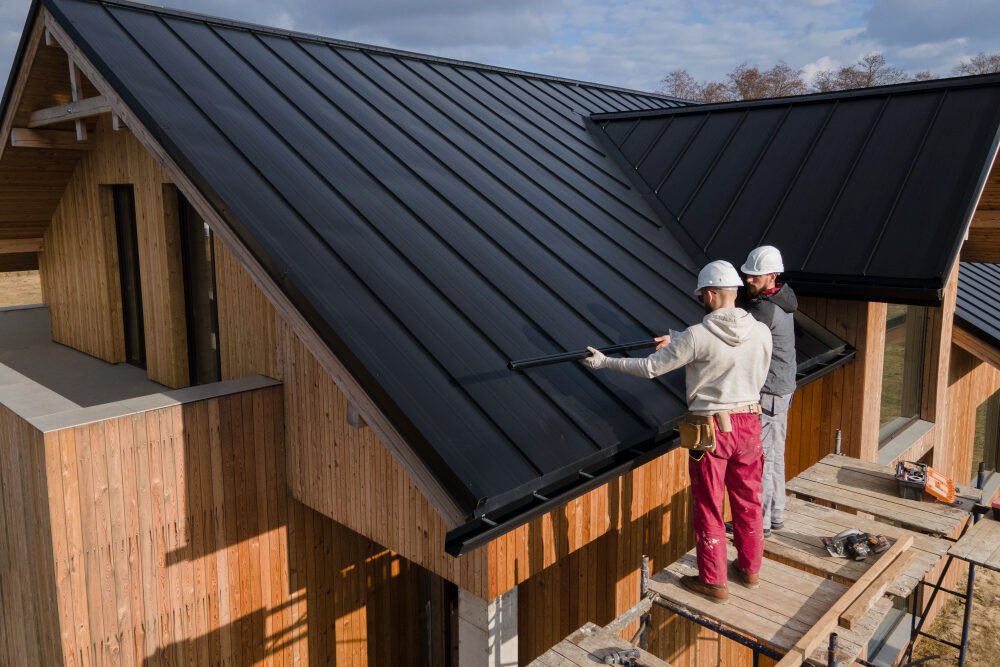
With so many roofing products available today, it’s easy to feel overwhelmed. Asphalt shingles remain the most common choice because they’re affordable and versatile, while metal roofing continues gaining popularity thanks to its durability and energy efficiency. Your decision shouldn’t be based on appearance alone. Climate, maintenance expectations, budget, and even neighborhood style all play an important role. For example, if you live in an area with heavy snowfall or intense sun exposure, certain materials may perform much better over time. Popular roofing materials include:- Asphalt shingles
- Standing seam metal roofing
- Clay and concrete tiles
- Wood shake roofing
- Synthetic composite roofing
- Natural slate roofing
Read More in Kitchen Promise Blog
- Built-In Bar Cabinets: A Step-by-Step Guide to Planning the Perfect Home Beverage Station
 Discover how to plan built in bar cabinets that combine style and functionality. Follow this step-by-step guide to choose the ideal layout, storage, appliances, and finishing details.
 - Kitchen Remodeling Services in Granite, ID: Create a Functional and Beautiful Gathering Space
 Learn how modern kitchen renovations transform everyday living with smart layouts and efficient upgrades.
 - How to Renovate a Dining Room for Better Functionality and Style
 Dining room renovations improve comfort, organization, and entertaining functionality. This guide explains lighting, storage, acoustics, layout planning, and modern design strategies for stylish and practical dining spaces.
Plan Ahead for a Smooth Roof Replacement
Preparation can make the entire project much less stressful. Roof replacement isn’t only about installing new shingles—it’s also an opportunity to improve ventilation, inspect the roof deck, and evaluate your gutter system. Many contractors recommend replacing gutters at the same time if they’re showing signs of wear. Since both systems work together to move water safely away from your home, coordinating the work can improve long-term performance while reducing future labor costs. Before construction begins, make sure you:- Request a detailed written estimate
- Confirm permits and inspections are included
- Ask about ventilation upgrades
- Prepare for possible hidden structural repairs
- Set aside a contingency budget for unexpected discoveries