

⚠ Warning:
Never remove an interior wall until you’ve confirmed whether it’s load-bearing. Altering structural walls without professional guidance can compromise the safety of your home.
Step 1: Create a Strong Renovation Plan
Start with planning before demolition.
Every successful open-concept remodel begins with understanding the existing structure. Have a qualified contractor or structural engineer evaluate your home before making any major changes.
Your planning checklist should include:
- ✓ Identify load-bearing walls
- ✓ Review local building codes and permits
- ✓ Plan electrical and plumbing adjustments
- ✓ Determine HVAC modifications if necessary
- ✓ Establish a realistic renovation budget
Tip:
Creating a scaled floor plan before construction allows you to visualize furniture placement, traffic flow, and room proportions long before the first wall comes down.
Step 2: Design Functional Zones Within the Open Space
Keep the openness while giving each area a purpose.
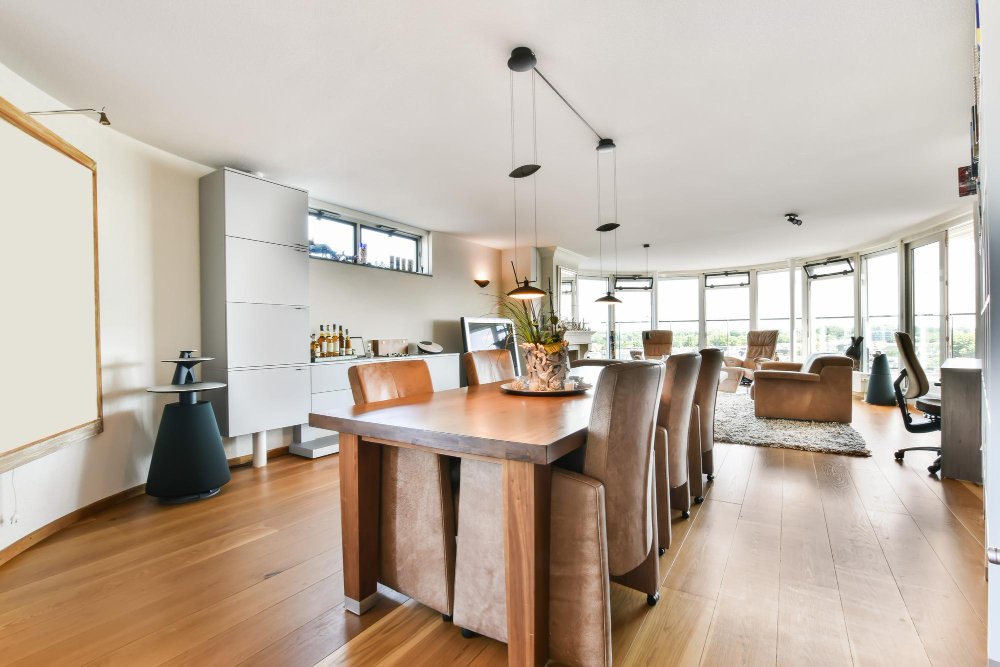
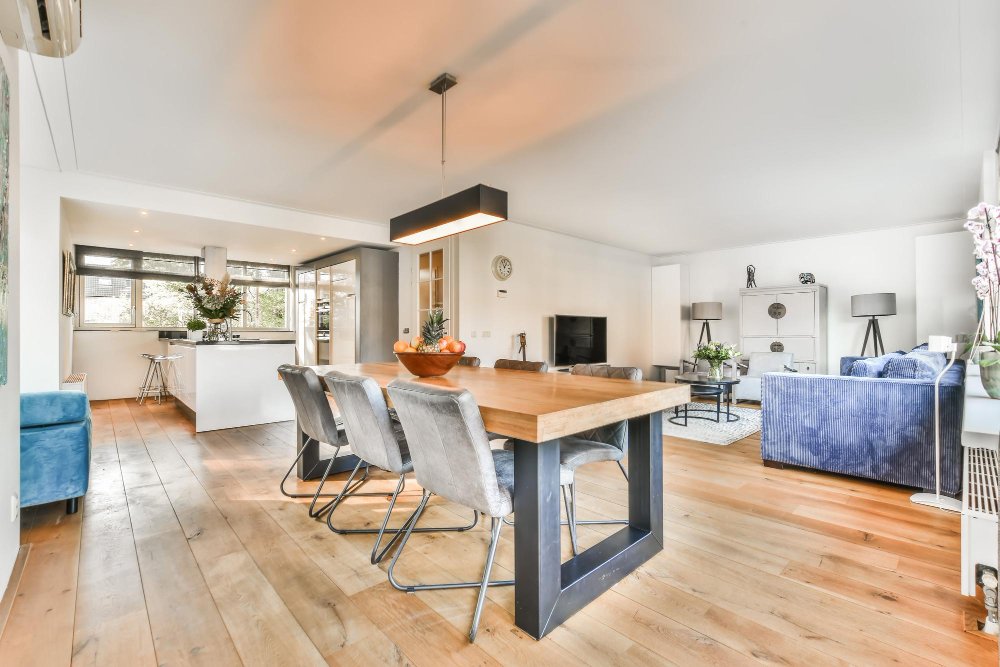
One common misconception is that open-concept living means one giant room without structure. In reality, the most comfortable spaces are carefully divided into functional zones using furniture, lighting, and decorative elements instead of walls.
Consider organizing your new layout into distinct areas such as:
- Kitchen and dining area
- Living or conversation space
- Reading nook or home office
- Entertainment zone
⚠ Warning:
Avoid using too many flooring materials within connected spaces. Multiple transitions can interrupt visual flow and make the layout feel smaller than it actually is.
Step 3: Balance Comfort, Storage, and Lighting
Finish your renovation with the details that improve everyday living.
Once the layout is established, focus on the features that make an open-concept home comfortable for daily use. Because sound travels more freely without walls, adding soft materials can greatly improve acoustics.
Consider incorporating:
- ✓ Upholstered furniture and area rugs
- ✓ Layered lighting with recessed lights, pendants, and accent fixtures
- ✓ Built-in shelving and concealed storage
- ✓ Kitchen islands with additional cabinetry
- ✓ Ceiling fans and balanced HVAC airflow
Tip:
Install dimmer switches throughout the space so you can easily adjust the atmosphere for cooking, entertaining, working, or relaxing.
Read More in Kitchen Promise Blog
- Built-In Bar Cabinets: A Step-by-Step Guide to Planning the Perfect Home Beverage Station
 Discover how to plan built in bar cabinets that combine style and functionality. Follow this step-by-step guide to choose the ideal layout, storage, appliances, and finishing details.
 - Kitchen Remodeling Services in Granite, ID: Create a Functional and Beautiful Gathering Space
 Learn how modern kitchen renovations transform everyday living with smart layouts and efficient upgrades.
 - How to Renovate a Dining Room for Better Functionality and Style
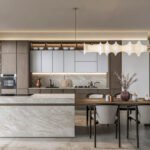 Dining room renovations improve comfort, organization, and entertaining functionality. This guide explains lighting, storage, acoustics, layout planning, and modern design strategies for stylish and practical dining spaces.
Moving Forward with Confidence
An open-concept renovation is about much more than removing walls. With thoughtful planning, functional zoning, integrated storage, balanced lighting, and careful structural evaluation, you can create a home that feels brighter, more spacious, and easier to enjoy every day.- ✓ Verify structural requirements before demolition
- ✓ Define functional living zones
- ✓ Maintain consistent flooring throughout connected spaces
- ✓ Incorporate layered lighting
- ✓ Add built-in storage solutions
- ✓ Improve acoustics with soft furnishings
- ✓ Coordinate HVAC and ventilation upgrades
- ✓ Work with experienced renovation professionals when structural changes are involved