

Why Heated Floor Installation Is Becoming More Popular
Heated floor systems have become increasingly popular in modern home renovations because they improve comfort, energy efficiency, and overall indoor living quality. Radiant floor heating distributes warmth evenly across the floor surface, creating consistent temperatures without relying entirely on forced-air heating systems.
Homeowners often choose heated floors during bathroom, kitchen, basement, and whole-home renovations because the systems provide luxurious comfort while helping reduce cold spots and uneven heating. However, installing radiant floor heating involves important structural, electrical, flooring, and energy-efficiency considerations that homeowners should understand before beginning the project.
What Types of Heated Floor Systems Are Available?
There are two primary types of radiant floor heating systems commonly used in residential remodeling projects.
Common Heated Floor Options
- Electric radiant floor systems
- Hydronic water-based heating systems
Electric systems typically use heating cables or mats beneath the flooring, while hydronic systems circulate warm water through tubing installed below the floor surface.
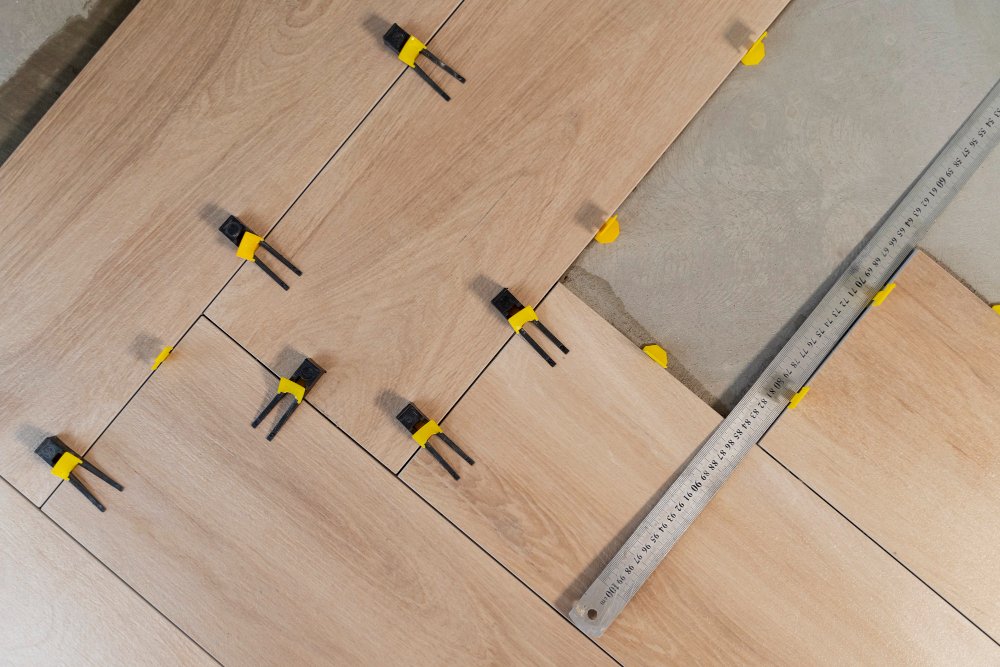

Which Rooms Benefit Most from Heated Floors?
Radiant heating systems are especially popular in rooms where cold flooring surfaces reduce comfort during colder seasons.
Popular Heated Floor Locations
- Bathrooms
- Kitchens
- Basements
- Primary bedroom suites
- Entryways and mudrooms
Bathrooms remain one of the most common areas for heated floor installation because tile surfaces often feel cold underfoot.
What Flooring Materials Work Best with Heated Floors?
Not all flooring materials transfer heat equally. Some surfaces conduct warmth more efficiently than others.
Recommended Heated Floor Materials
- Porcelain tile
- Natural stone flooring
- Luxury vinyl flooring
- Engineered hardwood
- Polished concrete surfaces
Tile and stone are especially effective because they retain and distribute heat efficiently across the room.
Do Heated Floors Improve Energy Efficiency?
Radiant floor heating systems can improve heating efficiency because they warm occupants and surfaces directly rather than relying entirely on circulating hot air.
Potential Energy-Efficiency Benefits
- Reduced cold spots
- More even heat distribution
- Lower thermostat settings
- Improved comfort at lower temperatures
Hydronic systems are often more energy-efficient for larger installations or whole-home applications.
How Difficult Is Heated Floor Installation?
The complexity of installation depends on the type of system, existing flooring conditions, and whether the renovation involves new construction or retrofitting.
Common Installation Considerations
- Subfloor preparation
- Electrical capacity upgrades
- Floor height adjustments
- Moisture barrier installation
- Thermostat integration
Professional installation helps ensure proper heating performance and long-term system reliability.
Read More in Kitchen Promise Blog
- Built-In Bar Cabinets: A Step-by-Step Guide to Planning the Perfect Home Beverage Station
 Discover how to plan built in bar cabinets that combine style and functionality. Follow this step-by-step guide to choose the ideal layout, storage, appliances, and finishing details.
 - Kitchen Remodeling Services in Granite, ID: Create a Functional and Beautiful Gathering Space
 Learn how modern kitchen renovations transform everyday living with smart layouts and efficient upgrades.
 - How to Renovate a Dining Room for Better Functionality and Style
 Dining room renovations improve comfort, organization, and entertaining functionality. This guide explains lighting, storage, acoustics, layout planning, and modern design strategies for stylish and practical dining spaces.
Can Heated Floors Be Installed Under Existing Flooring?
In some cases, heated floor systems can be installed beneath existing flooring, although complete flooring replacement is often recommended for better results.
Factors That Affect Retrofit Installation
- Existing floor condition
- Available floor height
- Subfloor accessibility
- Electrical system capacity
Major renovations often provide the easiest opportunity to integrate radiant heating systems efficiently.
How Are Heated Floors Controlled?
Modern heated floor systems use programmable thermostats and zoning controls to regulate temperature and improve efficiency.
Popular Heated Floor Control Features
- Programmable thermostats
- Smart home integration
- Room-specific zoning systems
- Energy-saving schedules
Smart controls help homeowners customize comfort while managing operating costs more effectively.
Are Heated Floors Safe for Families and Pets?
Professionally installed radiant heating systems are generally considered very safe for residential use.
Safety Benefits of Heated Floors
- No exposed heating elements
- Reduced sharp temperature fluctuations
- Minimal airborne dust circulation
- Quiet system operation
Radiant floor heating may also improve indoor comfort for individuals sensitive to dry forced-air heating systems.
What Maintenance Do Heated Floors Require?
Radiant floor systems generally require minimal maintenance once installed properly.
Typical Maintenance Considerations
- Thermostat inspections
- Periodic hydronic system checks
- Monitoring electrical connections
- Protecting flooring integrity
Hydronic systems may require occasional boiler or pump servicing depending on the system design.
What Challenges Can Occur During Installation?
Heated floor installation can reveal hidden structural or subfloor issues during renovation projects.
Common Installation Challenges
- Uneven subfloors
- Insufficient insulation
- Electrical panel limitations
- Improper moisture protection
- Floor height inconsistencies
Professional planning helps minimize installation complications and improves long-term heating performance.
Are Heated Floors Worth the Investment?
Many homeowners consider heated floors a worthwhile upgrade because they improve comfort, luxury appeal, and overall home value.
Reasons Homeowners Choose Heated Floors
- Improved winter comfort
- Luxury bathroom upgrades
- Enhanced resale appeal
- More consistent indoor temperatures
Radiant floor heating is especially attractive in colder climates and premium renovation projects.
Final Thoughts on Heated Floor Installation
Heated floor systems provide comfortable, energy-efficient warmth while improving the overall luxury and functionality of modern homes. Understanding flooring compatibility, installation requirements, energy efficiency, zoning controls, and maintenance needs helps homeowners make informed renovation decisions.
By working with experienced professionals and selecting compatible flooring materials, homeowners can enjoy long-lasting comfort and improved indoor living quality through radiant floor heating upgrades.