
“Sometimes the best improvements are the simplest ones.”
1. Your Countertops Show Years of Wear
Take a close look at your countertops. Do you notice scratches, stains that won’t disappear, chipped edges, or burn marks? Everyday cooking eventually leaves its mark, especially on older laminate or tile surfaces. While a few imperfections add character, extensive damage affects both appearance and functionality. Worn countertops can make an otherwise well-maintained kitchen feel dated. If your cabinets are still structurally sound, replacing only the countertops can dramatically refresh the entire room without the cost of a full renovation.
Quick TipBefore replacing cabinets, ask whether they’re actually the problem. If they’re sturdy and the layout works well, new countertops may deliver the transformation you’re looking for at a much lower cost.
2. Your Kitchen Feels Stuck in Another Decade
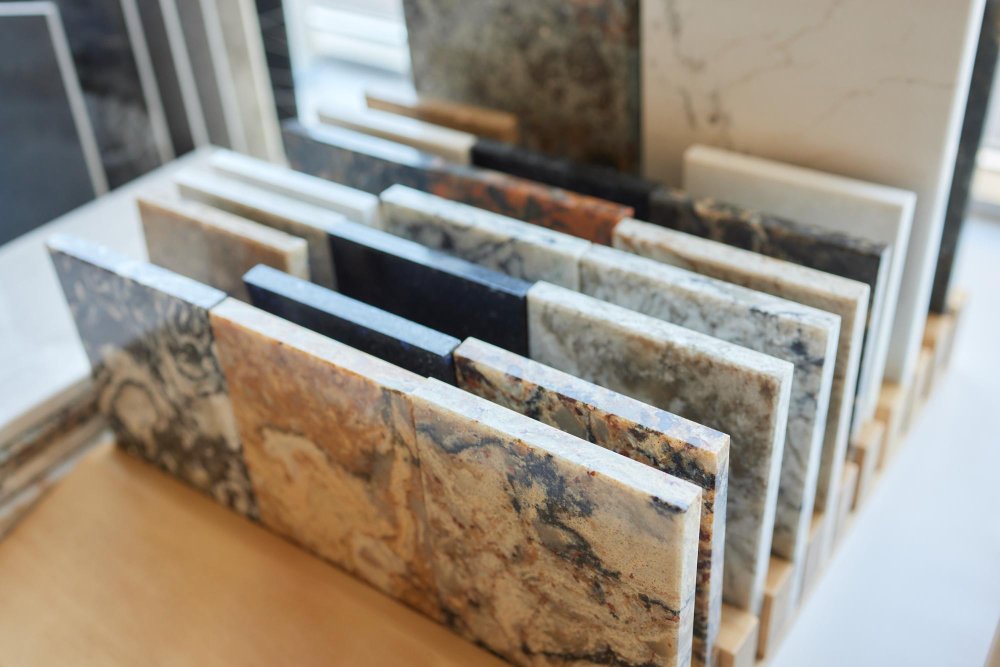
Does your kitchen still feature pastel laminate, busy tile patterns, or outdated edge profiles? Even if everything functions properly, older countertop styles can make the entire kitchen feel older than it really is. Modern materials such as quartz, granite, porcelain, and solid surface countertops instantly update the appearance of existing cabinetry. Pair them with new hardware and lighting, and your kitchen can feel completely different. Simple upgrades that create a modern look include:- Light-colored quartz for a bright, timeless appearance.
- Bold black countertops for dramatic contrast.
- Waterfall edges on kitchen islands.
- Large-format slabs with subtle veining.
3. You Need Better Performance for Everyday Life
Think about how you use your kitchen every day. Are you constantly worrying about stains? Do you avoid placing hot cookware on the countertop? Is cleaning becoming more difficult than it should be? New countertop materials offer significant improvements in durability and maintenance. Quartz resists staining, solid surface materials create seamless installations, and natural stone delivers timeless beauty when properly maintained. Ask yourself this question: Would cooking feel easier if your countertops worked with you instead of against you?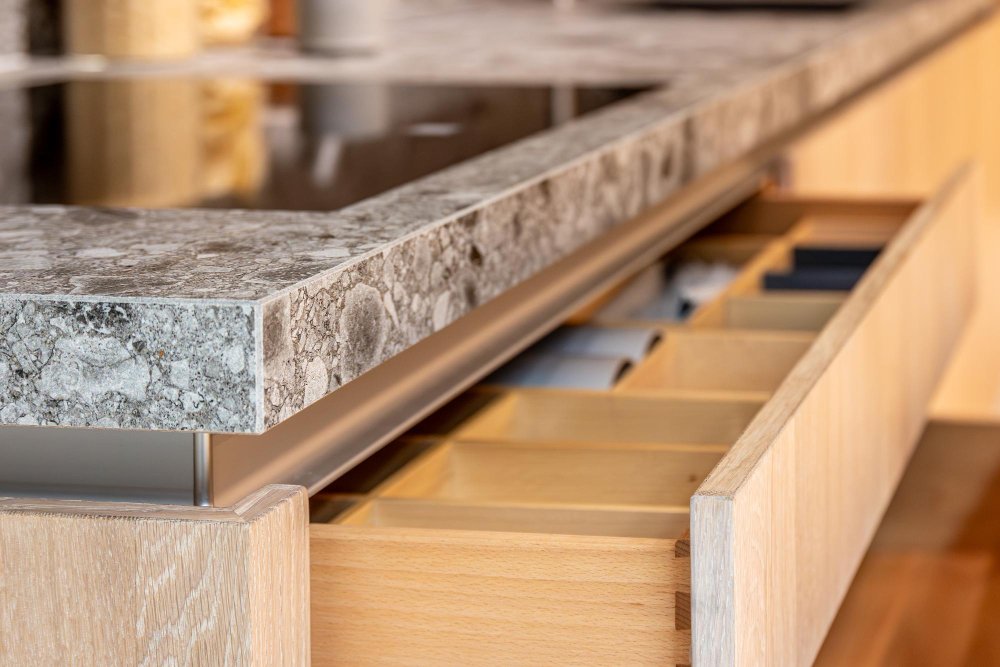
4. Your Lifestyle Has Changed
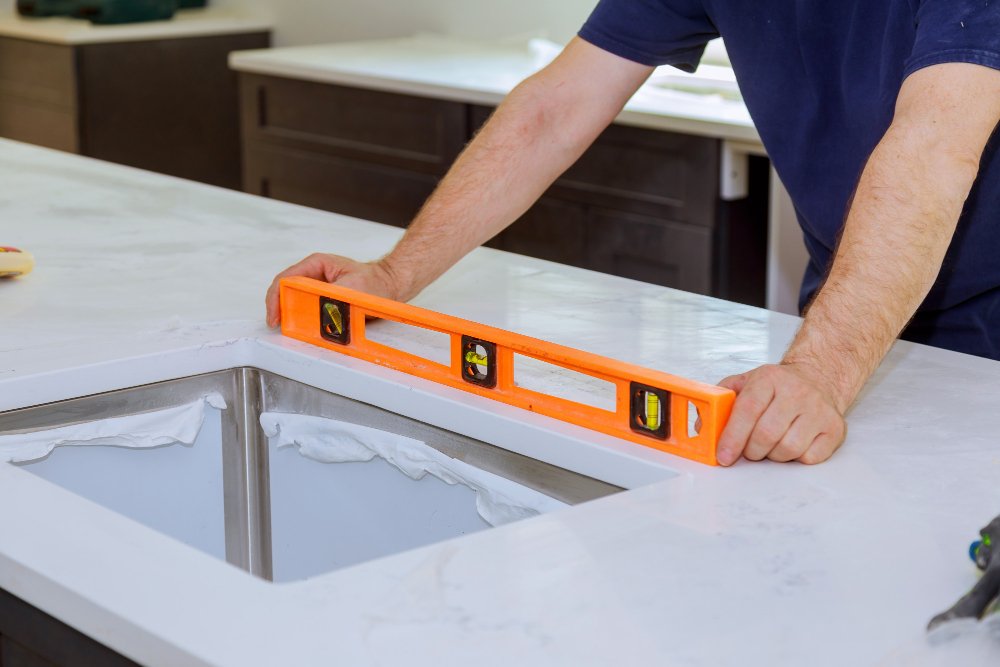
The kitchen that worked ten years ago may not support the way your family lives today. Perhaps children now use the island for homework, or maybe you’re entertaining guests more often than before. Replacing countertops provides an opportunity to improve how the space functions without changing the entire kitchen layout. You might choose a larger island overhang for seating, add a prep sink, or install more durable surfaces that stand up to daily activity. Sometimes a relatively small upgrade has a surprisingly big impact on everyday routines.5. You’re Planning to Sell Your Home
First impressions matter. Buyers often judge a kitchen within seconds of entering the room, and countertops naturally attract attention because they occupy such a large visual area. Replacing worn or outdated surfaces can help the kitchen appear cleaner, newer, and more move-in ready. While no renovation guarantees a specific return, updated countertops generally improve the overall presentation of the home. Features buyers appreciate include:- Low-maintenance materials.
- Neutral colors.
- Durable finishes.
- Modern edge profiles.
6. Repairs Are Becoming More Frequent
Small repairs occasionally make sense. But if you’re repeatedly fixing loose tiles, repairing chipped laminate, or dealing with cracked grout, replacement may become the more practical long-term solution. Instead of spending money on temporary fixes, investing in new countertops can eliminate recurring maintenance while providing a completely refreshed appearance.Read More in Kitchen Promise Blog
- Built-In Bar Cabinets: A Step-by-Step Guide to Planning the Perfect Home Beverage Station
 Discover how to plan built in bar cabinets that combine style and functionality. Follow this step-by-step guide to choose the ideal layout, storage, appliances, and finishing details.
 - Kitchen Remodeling Services in Granite, ID: Create a Functional and Beautiful Gathering Space
 Learn how modern kitchen renovations transform everyday living with smart layouts and efficient upgrades.
 - How to Renovate a Dining Room for Better Functionality and Style
 Dining room renovations improve comfort, organization, and entertaining functionality. This guide explains lighting, storage, acoustics, layout planning, and modern design strategies for stylish and practical dining spaces.