
Step 1: Choose the Right Location and Purpose
Before selecting cabinet finishes or countertop materials, decide exactly how you’ll use your built-in bar cabinet. This single decision influences every design choice that follows, from storage requirements to appliance selection. Ask yourself a few practical questions:- Will this primarily be a beverage station or a coffee bar?
- How often do you entertain guests?
- Do you need refrigerated storage?
- Will children also use this area for drinks or snacks?
- Should the cabinet blend into the kitchen or become a focal point?
- between the kitchen and dining room;
- inside a butler’s pantry;
- at the end of a cabinet run;
- beneath open shelving;
- along a hallway wall;
- inside a finished basement;
- next to a family or great room.
Planning Actions
- Measure the available wall and floor space.
- Identify nearby electrical outlets and plumbing connections.
- Decide which appliances you’ll include.
- Estimate how much storage you actually need.
- Sketch a simple layout before selecting cabinetry.
Planning Checklist
✓ Measure the complete installation area.
✓ Confirm ceiling height and wall dimensions.
✓ List every appliance you plan to install.
✓ Plan storage around the items you already own.
✓ Leave comfortable clearance for doors and walkways.
Spending a little extra time planning now can prevent expensive changes later. Careful measurements also make it easier for your designer to recommend cabinetry that maximizes every inch of available space.
Step 2: Plan the Storage, Appliances, and Materials
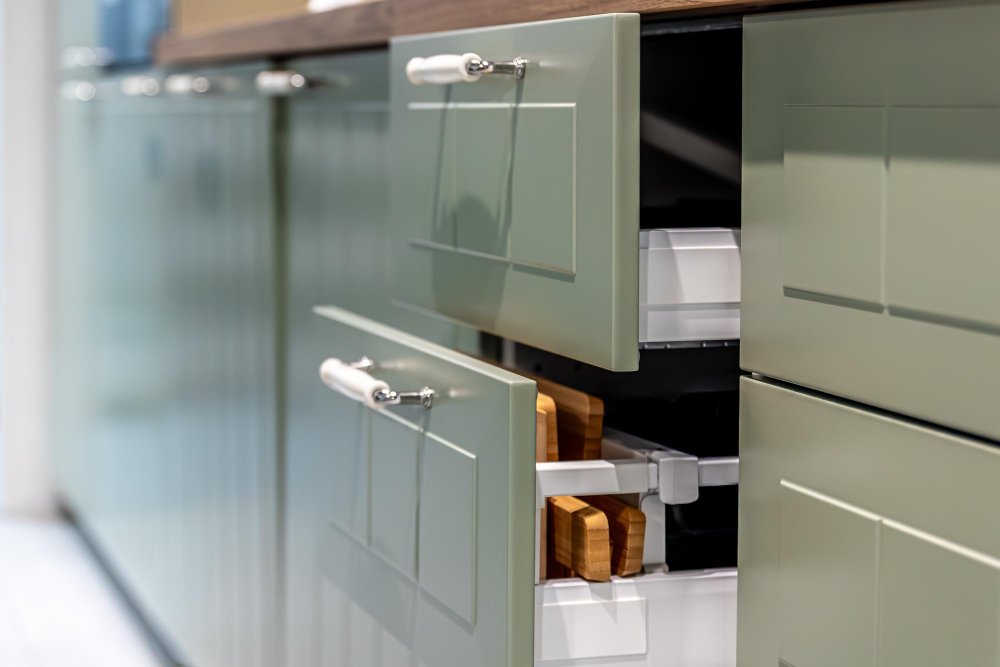
Once you’ve chosen the location, it’s time to determine what your built-in bar cabinet should contain. Rather than filling every cabinet with shelves, think about the specific items you’ll store and how often you’ll use them. Start by grouping similar items together. Glassware, bottles, coffee supplies, serving trays, mixers, and small appliances each benefit from dedicated storage. Organizing the cabinet by function creates a space that’s easier to use every day and much more efficient when entertaining guests. Most homeowners find that a balanced combination of open and closed storage works best. Open shelving provides an attractive place to display decorative glassware or favorite bottles, while enclosed cabinets hide less attractive essentials such as paper goods, cleaning supplies, or extra serving pieces. As you begin selecting features, prioritize the elements that will have the greatest impact on daily convenience. Consider including:- Closed base cabinets for larger items and concealed storage.
- Drawers with dividers for bar tools and accessories.
- Open shelves for decorative displays and frequently used glasses.
- Wine bottle storage if you regularly entertain.
- A beverage refrigerator to keep drinks easily accessible.
- Durable countertops such as quartz for easy cleaning and long-lasting performance.
- Task lighting to improve both visibility and ambiance.
Quick Tip
Store everyday essentials such as coffee mugs, drinking glasses, and frequently used supplies between waist and eye level. Reserve upper cabinets for seasonal serving pieces or items you use less often.
Before finalizing your selections, review your storage plan one more time. It’s much easier to adjust shelf heights, drawer configurations, or cabinet widths during the design phase than after installation has begun.
Read More in Kitchen Promise Blog
- Built-In Bar Cabinets: A Step-by-Step Guide to Planning the Perfect Home Beverage Station
 Discover how to plan built in bar cabinets that combine style and functionality. Follow this step-by-step guide to choose the ideal layout, storage, appliances, and finishing details.
 - Kitchen Remodeling Services in Granite, ID: Create a Functional and Beautiful Gathering Space
 Learn how modern kitchen renovations transform everyday living with smart layouts and efficient upgrades.
 - How to Renovate a Dining Room for Better Functionality and Style
 Dining room renovations improve comfort, organization, and entertaining functionality. This guide explains lighting, storage, acoustics, layout planning, and modern design strategies for stylish and practical dining spaces.
Step 3: Finalize the Layout and Installation Details
With the cabinet design taking shape, the final step is making sure every detail works together. A beautiful bar cabinet should also be comfortable to use, easy to maintain, and properly integrated into the surrounding space. Begin by confirming the dimensions of every appliance and accessory. Beverage refrigerators, coffee machines, ice makers, and wine coolers each have unique installation requirements. Checking these specifications before cabinetry is built helps avoid costly modifications later. Work through this final installation checklist:- Verify appliance dimensions and ventilation clearances.
- Confirm countertop overhangs and working space.
- Test door and drawer swing for unobstructed access.
- Check outlet placement for small appliances and lighting.
- Review shelf spacing for bottles, glasses, and serving pieces.
- Inspect lighting locations to eliminate shadows on work surfaces.
⚠ Warning
Do not order cabinetry until you’ve verified the exact dimensions and ventilation requirements of every built-in appliance. Even a small measurement error can prevent a beverage refrigerator or coffee machine from fitting correctly, leading to unnecessary delays and added expense.
Finally, pay attention to the finishing touches. Coordinated hardware, durable countertops, layered lighting, and quality craftsmanship transform a functional storage area into a polished feature that complements the rest of your home. These details may seem small individually, but together they create the custom appearance homeowners value most.