Budget-Friendly Kitchen Upgrades That Make a Big Impact
A beautiful kitchen does not always begin with demolition. Sometimes, it begins with a quieter decision: changing the way light falls across the room, replacing hardware that has lost its character, or introducing a fresh cabinet color that makes familiar surfaces feel entirely new.
The most compelling budget-conscious kitchens are rarely those filled with inexpensive substitutes. They are the ones shaped by restraint, proportion, and thoughtful attention to detail. A modest renovation can feel remarkably refined when every choice contributes to a clear visual story.
True luxury is not measured by how much you replace, but by how carefully you improve what is already there.
“The most memorable kitchens are often transformed through details rather than dramatic construction.”
Cabinetry as the Foundation of the Transformation
Cabinetry occupies more visual space than almost any other element in the kitchen, which makes it the natural place to begin. A tired wood finish, dated stain, or faded paint color can make the entire room feel older than it is. Refinishing the cabinets in a warm neutral, deep navy, muted green, or soft charcoal can immediately change the atmosphere without altering the existing layout.
The most successful updates depend on preparation. Surfaces should be cleaned thoroughly, lightly sanded, primed, and finished with paint designed for cabinetry. A satin or low-sheen finish often delivers the best balance of elegance and practicality, reflecting enough light to feel polished without emphasizing every fingerprint.
Hardware acts like jewelry within the room. Slim brass pulls introduce warmth, matte black creates graphic contrast, and brushed nickel offers a quieter, more versatile finish. Replacing exposed hinges with soft-close hardware can also make familiar cabinetry feel unexpectedly sophisticated.
When the cabinet structure is sound, refinement is often more valuable than replacement.
“A new finish can reveal the architecture that outdated color once concealed.”
Light, Texture, and the Power of a Carefully Chosen Surface
Lighting has the ability to transform an ordinary kitchen before any permanent material is changed. Harsh overhead fixtures flatten color and texture, while layered illumination creates depth. Pendant lights above an island establish a visual focal point, under-cabinet LEDs make work surfaces more functional, and dimmers allow the room to shift gracefully from morning brightness to evening calm.
A backsplash offers another opportunity to introduce character without overwhelming the budget. Classic subway tile remains timeless because its simplicity allows cabinetry, countertops, and lighting to remain balanced. For greater texture, handmade-look ceramic tiles or subtle geometric patterns can create movement while preserving a refined atmosphere.
Homeowners working within a tighter budget may consider peel-and-stick tile, beadboard, or carefully painted stencil work. These options are most successful when color and pattern are restrained. The goal is not to imitate expensive materials too aggressively, but to create an intentional decorative layer that feels appropriate to the room.
Countertops can also be refreshed without committing to premium stone. Laminate has evolved dramatically, offering convincing interpretations of marble, concrete, and natural wood. Butcher block introduces warmth and softness, while professional resurfacing can renew existing counters when the underlying material remains stable.
The elegance of a kitchen comes from harmony between surfaces, not from the price of any single material.
Discover how to plan built in bar cabinets that combine style and functionality. Follow this step-by-step guide to choose the ideal layout, storage, appliances, and finishing details.
Dining room renovations improve comfort, organization, and entertaining functionality. This guide explains lighting, storage, acoustics, layout planning, and modern design strategies for stylish and practical dining spaces.
Energy-efficient remodeling improves comfort and lowers household utility costs. This guide explains insulation, windows, HVAC systems, lighting, roofing, appliances, and smart technology upgrades for modern homes.
Open Shelving, Color, and the Art of Editing
Open shelving can make a kitchen feel lighter, but it requires discipline. A few carefully selected shelves in wood or painted finishes can break up a wall of cabinetry and create space for ceramics, glassware, cookbooks, or greenery. The effect is most successful when the display feels curated rather than crowded.
Mixing open shelves with closed cabinetry preserves practical storage while adding visual rhythm. Frequently used items remain accessible, while less attractive necessities stay concealed. This balance is particularly valuable in smaller kitchens, where every visible object influences the perception of space.
Wall color provides one of the most affordable opportunities for transformation. Soft white, warm greige, muted clay, or pale green can alter how natural light moves through the room. Removable wallpaper works well for a breakfast nook or small accent wall, while a chalkboard surface can introduce function without sacrificing personality.
Decorative details should be edited carefully. A sculptural cutting board, a ceramic bowl, a linen runner, or a small collection of plants may be enough to make the room feel complete. Too many accessories can quickly diminish the calm created by the renovation.
“A refined kitchen does not display everything it owns. It allows a few beautiful objects to breathe.”
A More Beautiful Kitchen, One Decision at a Time
Budget-friendly design succeeds when the project is approached gradually. Begin with the element that creates the greatest visual tension. It may be the cabinets, the lighting, the backsplash, or simply the wall color. Once that feature is addressed, the next decision becomes clearer.
There is no need to renovate everything at once. In fact, slower transformations often produce more cohesive results because each choice can respond to the room as it evolves. A new pendant may inspire warmer hardware. Refinished cabinetry may reveal that the existing countertop works beautifully after all.
The finest affordable upgrades do not attempt to disguise their budget. They express confidence through simplicity, craftsmanship, and proportion.
A kitchen becomes luxurious when it feels considered—when light is flattering, storage is intuitive, materials relate naturally to one another, and every detail supports daily life. With a thoughtful sequence of small improvements, even a familiar kitchen can become a space that feels renewed, elegant, and entirely personal.

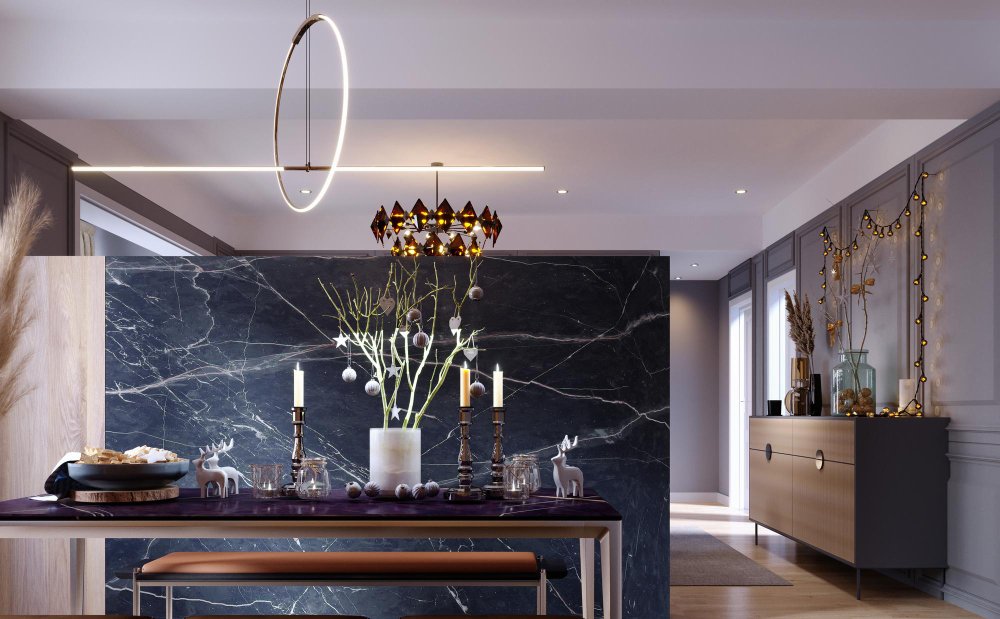


 Discover how to plan built in bar cabinets that combine style and functionality. Follow this step-by-step guide to choose the ideal layout, storage, appliances, and finishing details.
 Dining room renovations improve comfort, organization, and entertaining functionality. This guide explains lighting, storage, acoustics, layout planning, and modern design strategies for stylish and practical dining spaces.
 Energy-efficient remodeling improves comfort and lowers household utility costs. This guide explains insulation, windows, HVAC systems, lighting, roofing, appliances, and smart technology upgrades for modern homes.