

The Problem
PROBLEMHomeowners often choose flooring based primarily on appearance, then discover that it does not suit the room’s moisture level, traffic, maintenance demands, or renovation budget.
At first glance, luxury vinyl plank and hardwood can look surprisingly similar. Both are available in warm oak, deep walnut, pale maple, and wide-plank designs. However, their performance differs significantly once the flooring is exposed to water, temperature changes, furniture movement, children, pets, and routine cleaning.
A bathroom, basement, or laundry room presents very different conditions from a formal dining room or primary bedroom. Selecting hardwood for a moisture-prone space can result in swelling or warping. Choosing inexpensive vinyl for a prominent living area may reduce the sense of authenticity or long-term value the homeowner expected.
Before
- Flooring selected for color alone
- Unexpected moisture damage
- Difficult installation
- Higher maintenance than anticipated
- Premature replacement
After
- Material matched to the room
- Predictable upkeep
- Appropriate water resistance
- Better control of project costs
- Longer-lasting satisfaction
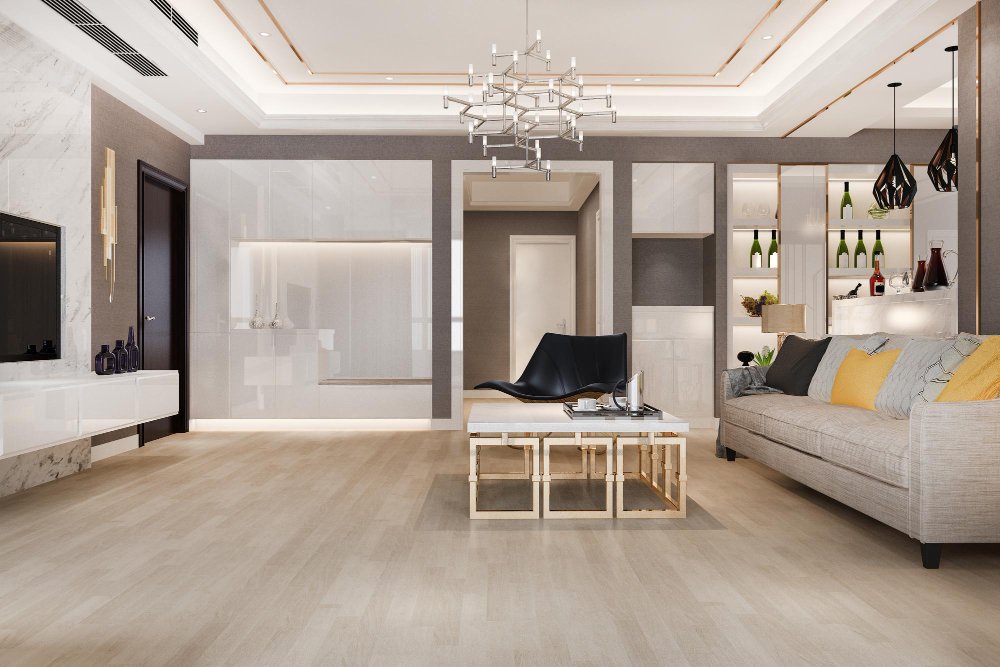
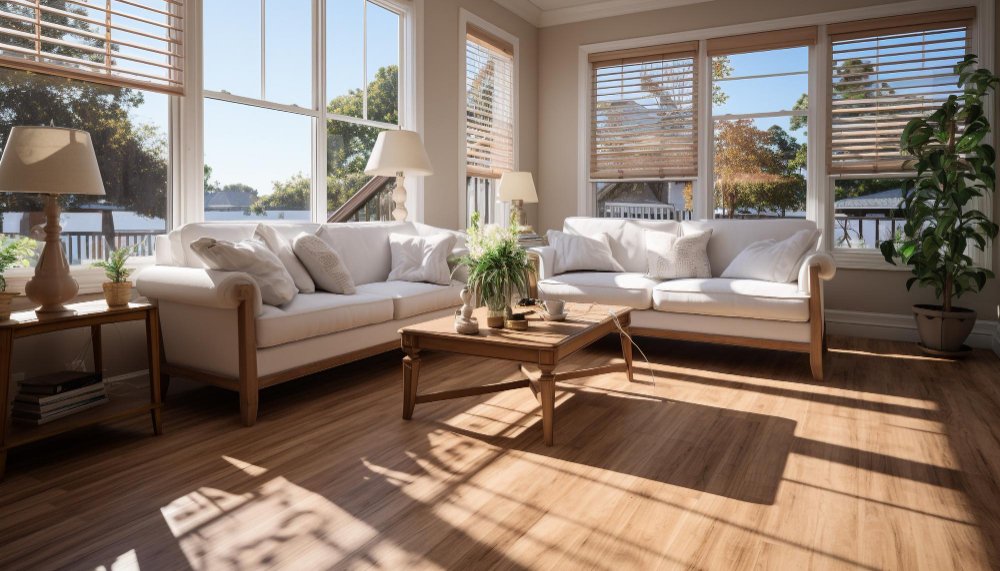
Why It Happens
The confusion surrounding vinyl vs. hardwood often begins with oversimplified product claims. Vinyl may be promoted as completely waterproof, while hardwood is described as lasting a lifetime. Both claims need context. Many vinyl planks have waterproof surfaces and cores, but water can still travel through perimeter gaps or seams and affect the subfloor beneath them. Hardwood can last for generations, but only when installed in appropriate conditions and maintained properly. Cost comparisons can also be misleading. The material price is only one part of the total investment. Subfloor repairs, underlayment, trim, demolition, disposal, adhesives, fasteners, and professional labor may significantly affect the final price. Other sources of confusion include:- Comparing entry-level vinyl with premium hardwood
- Ignoring the condition of the subfloor
- Assuming all vinyl products have equal durability
- Overlooking acclimation requirements for wood
- Focusing on initial cost instead of expected lifespan
- Failing to consider future refinishing or replacement
PROBLEMA low purchase price does not always create the lowest long-term cost. Flooring that wears quickly or performs poorly in the room may need to be replaced much sooner.


Common Mistakes
One of the most common mistakes is installing flooring before correcting subfloor problems. Both vinyl and hardwood require a flat, stable surface. Thin vinyl can reveal imperfections underneath, while hardwood may squeak, separate, or move when installed over an uneven base. Another frequent error is assuming that a DIY-friendly locking system eliminates the need for careful preparation. Click-lock vinyl may be easier to assemble than traditional hardwood, but expansion clearances, door transitions, plank staggering, and moisture testing still matter. Mistakes to avoid include:- Installing over a damp or uneven subfloor
- Skipping manufacturer acclimation instructions
- Using hardwood in persistently wet areas
- Buying flooring without checking the wear layer
- Selecting vinyl with repetitive or unrealistic patterns
- Cleaning hardwood with excessive water
- Dragging furniture across either surface
- Ignoring transition and expansion requirements
- Choosing only by the square-foot material price
PROBLEMIncorrect installation can shorten the life of both materials, even when the flooring itself is high quality.
The Solution
SOLUTIONMatch the flooring to the room’s conditions, daily traffic, maintenance requirements, and expected ownership period before comparing colors or plank styles.
Choose vinyl when practical performance comes first.
Vinyl is generally the stronger solution for rooms exposed to spills, humidity, muddy shoes, pets, or frequent cleaning. It works particularly well in kitchens, bathrooms, laundry areas, basements, rental properties, and busy family spaces.
Advantages of vinyl include:
- Lower initial cost in many product categories
- Water-resistant or waterproof construction
- Simple routine cleaning
- Comfortable feel underfoot
- Broad selection of wood-look designs
- Click-lock options suitable for experienced DIYers
- Authentic grain and natural variation
- Ability to sand and refinish many products
- Long potential lifespan
- Strong appeal to future buyers
- Timeless architectural character
SOLUTIONUse vinyl in areas where water resistance and easy maintenance are essential. Use hardwood where natural beauty, refinishing potential, and long-term value justify the higher investment.
Before
- Hardwood installed near repeated water exposure
- Entry-level vinyl used in a formal focal area
- Maintenance needs ignored
- Budget based only on product cost
After
- Vinyl placed in active or moisture-prone rooms
- Hardwood reserved for dry, high-visibility spaces
- Cleaning requirements understood in advance
- Total installation and ownership costs compared
Read More in Kitchen Promise Blog
- Built-In Bar Cabinets: A Step-by-Step Guide to Planning the Perfect Home Beverage Station
 Discover how to plan built in bar cabinets that combine style and functionality. Follow this step-by-step guide to choose the ideal layout, storage, appliances, and finishing details.
 - How to Renovate a Dining Room for Better Functionality and Style
 Dining room renovations improve comfort, organization, and entertaining functionality. This guide explains lighting, storage, acoustics, layout planning, and modern design strategies for stylish and practical dining spaces.
 - 8 Energy-Efficient Remodeling Upgrades That Lower Utility Bills
 Energy-efficient remodeling improves comfort and lowers household utility costs. This guide explains insulation, windows, HVAC systems, lighting, roofing, appliances, and smart technology upgrades for modern homes.
Best Practices
Start by evaluating the room rather than the showroom sample. Consider whether the space receives direct sunlight, frequent spills, pet traffic, heavy furniture, or seasonal humidity changes. For vinyl, compare plank thickness, wear-layer specifications, edge construction, locking systems, warranty exclusions, and subfloor requirements. A thicker product is not automatically better; the wear layer and construction quality are also important. For hardwood, confirm the species, grade, finish, board construction, acclimation requirements, and whether the product can be refinished. Engineered hardwood may provide greater dimensional stability than solid wood in some environments, although refinishing potential varies by veneer thickness. Installation and maintenance best practices include:- Test the subfloor for moisture where required.
- Correct uneven areas before installation.
- Follow all acclimation instructions.
- Leave the specified perimeter expansion space.
- Use protective pads beneath furniture.
- Place mats near exterior entrances.
- Clean spills promptly.
- Use only manufacturer-approved cleaning products.
- Retain spare planks for future repairs.
Best-Practice SummaryChoose vinyl for affordability, moisture resistance, and easier maintenance. Choose hardwood for authenticity, refinishing potential, and long-term architectural value.
The most effective answer to the vinyl vs. hardwood debate is often room-specific rather than whole-house specific. A homeowner may choose hardwood throughout bedrooms and living spaces while using premium vinyl in the kitchen, laundry room, and basement.
By evaluating performance before appearance, you can select flooring that supports your budget, lifestyle, and design goals without creating avoidable maintenance or replacement problems later.