
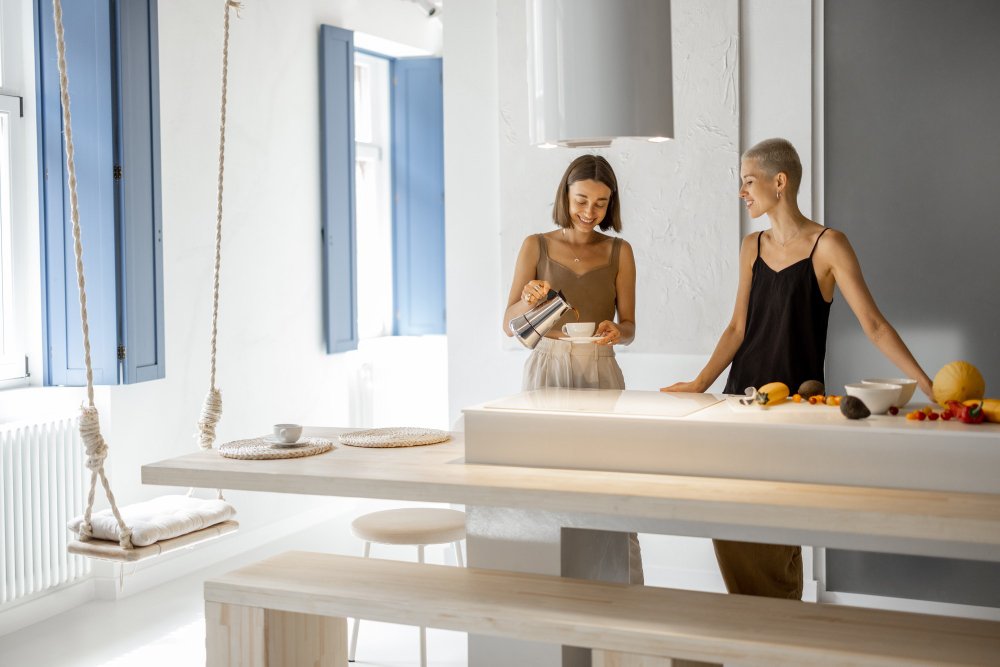
The Problem: Why Kitchens Become Outdated Faster Than Expected
PROBLEM
Many homeowners focus on what’s popular today instead of what will still look and function well ten years from now. Trend-driven decisions can shorten the visual lifespan of an otherwise high-quality kitchen and lead to costly future renovations.
The pace of interior design has accelerated dramatically. Social media platforms, home renovation television shows, and online inspiration galleries introduce new styles almost daily. While these resources provide creative ideas, they also encourage homeowners to chase short-lived aesthetics rather than invest in timeless design principles.
One year, all-white kitchens dominate remodeling projects. The next year, warm wood cabinetry, bold stone slabs, or colorful islands become the preferred look. Without careful planning, homeowners may spend significant amounts on finishes that quickly fall out of favor.
Another challenge is balancing visual appeal with everyday functionality. Beautiful kitchens that lack efficient storage, durable materials, or practical layouts often disappoint homeowners once daily life resumes. An impressive showroom appearance does not always translate into long-term satisfaction.
The most successful 2027 kitchen trends are expected to emphasize adaptability rather than constant reinvention. Flexible layouts, layered materials, and personalized design choices are becoming increasingly valuable because they remain relevant even as decorative styles evolve.
Why It Happens
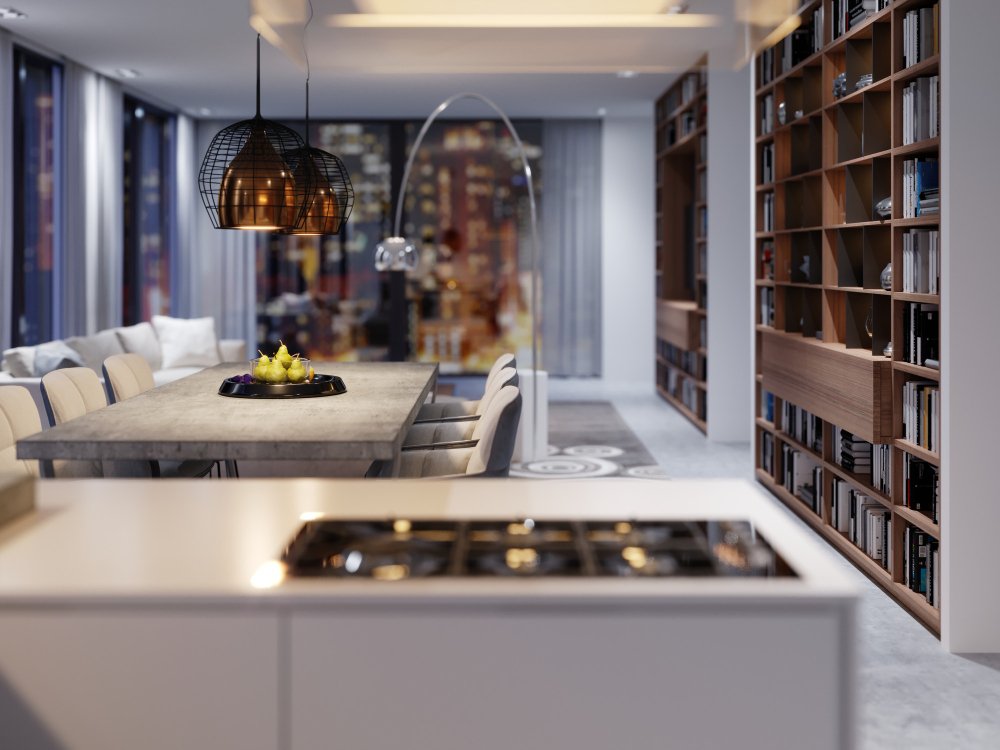
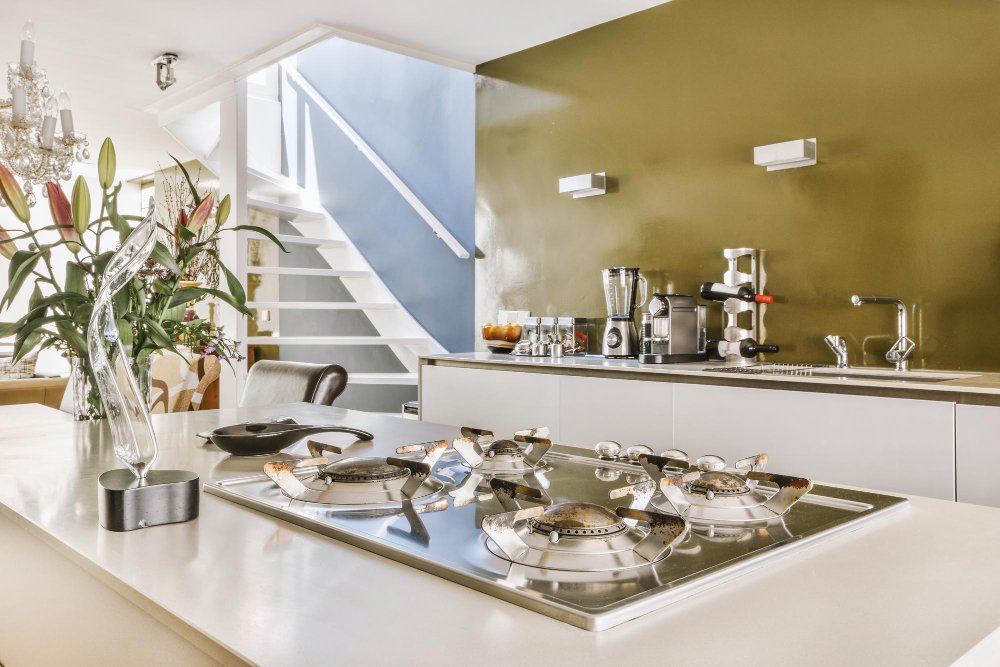
Several factors contribute to kitchens becoming outdated sooner than expected. Understanding these causes allows homeowners to make more informed remodeling decisions before construction begins. One of the most common reasons is designing around a single trend instead of an overall lifestyle. A dramatic cabinet color or highly decorative backsplash may feel exciting today, but if every design element depends on that single feature, the room may quickly lose its appeal as tastes change. Material selection also plays an important role. Lower-quality products often show wear sooner, requiring replacement long before the overall kitchen reaches the end of its useful life. Investing in durable cabinetry, quality hardware, and resilient countertop materials typically produces better long-term results. Technology is another factor. Smart appliances, integrated charging stations, and connected lighting continue advancing rapidly. Designing a kitchen that allows future technology upgrades without requiring major structural changes helps protect the investment over time. Finally, homeowners sometimes underestimate how dramatically family routines evolve. Children grow older, remote work becomes more common, entertaining styles change, and storage needs increase. Kitchens designed only for today’s habits may struggle to support tomorrow’s lifestyle.Common Mistakes Homeowners Make When Following Trends
One of the biggest mistakes is assuming every emerging trend deserves a permanent place in the home. While magazines and social media often showcase dramatic kitchens filled with bold colors and distinctive finishes, these spaces are frequently created to capture attention rather than provide decades of everyday enjoyment. Another common mistake is prioritizing appearance over functionality. Homeowners may select open shelving because it photographs beautifully, only to discover that keeping every item organized and dust-free requires far more maintenance than anticipated. Similarly, oversized decorative fixtures can overwhelm smaller kitchens or interfere with workflow despite their striking appearance. Storage planning is another area where trend-focused remodeling often falls short. Choosing sleek, minimalist cabinetry without considering pantry capacity, drawer organization, or specialized storage solutions can reduce the kitchen’s practicality. As families grow and cooking habits evolve, inadequate storage quickly becomes a daily frustration. Homeowners also sometimes overlook the importance of creating visual balance. Combining several bold trends—such as heavily veined countertops, colorful cabinets, patterned backsplashes, and statement lighting—may result in a kitchen that feels visually crowded instead of refined. When every element competes for attention, the overall design often loses its sense of harmony. Finally, many remodeling projects are planned around today’s needs alone, without considering how lifestyles may change over the next decade. As families grow, work-from-home routines become more common, or entertaining styles evolve, kitchens designed without flexibility can quickly feel restrictive. Future-ready design means anticipating change rather than reacting to it.The Solution: Designing a Kitchen That Lasts Beyond 2027
SOLUTION
Build your kitchen around timeless design principles instead of temporary trends. Prioritize durable materials, adaptable layouts, quality craftsmanship, and functional storage that will continue serving your household long after today’s popular styles have changed.
The most successful 2027 kitchen trends focus less on dramatic visual statements and more on creating spaces that naturally adapt to everyday life. Rather than following every new color or finish, homeowners are increasingly choosing balanced palettes inspired by nature. Warm wood cabinetry, textured stone, soft neutral tones, and layered lighting create inviting kitchens that remain elegant regardless of changing design fashions.
Storage is also becoming smarter rather than simply larger. Deep drawers, integrated pantry systems, concealed appliance garages, pull-out organizers, and customized cabinet interiors improve daily efficiency without sacrificing aesthetics. These thoughtful solutions reduce clutter while making the kitchen easier to use for cooking, entertaining, and family life.
Flexibility is another defining characteristic of future-ready kitchens. Multi-functional islands that support meal preparation, dining, remote work, and social gatherings allow one space to perform several roles throughout the day. Likewise, adaptable lighting systems and modular storage solutions provide opportunities to update the room over time without requiring a complete renovation.
Technology should complement the kitchen instead of dominating it. Integrated charging stations, energy-efficient appliances, touchless faucets, and smart lighting controls enhance convenience while remaining discreet enough that they do not become visually outdated as technology continues to evolve.
Read More in Kitchen Promise Blog
- Built-In Bar Cabinets: A Step-by-Step Guide to Planning the Perfect Home Beverage Station
 Discover how to plan built in bar cabinets that combine style and functionality. Follow this step-by-step guide to choose the ideal layout, storage, appliances, and finishing details.
 - Kitchen Remodeling Services in Granite, ID: Create a Functional and Beautiful Gathering Space
 Learn how modern kitchen renovations transform everyday living with smart layouts and efficient upgrades.
 - How to Renovate a Dining Room for Better Functionality and Style
 Dining room renovations improve comfort, organization, and entertaining functionality. This guide explains lighting, storage, acoustics, layout planning, and modern design strategies for stylish and practical dining spaces.
Before and After: A Smarter Approach to Kitchen Design
| Before | After |
|---|---|
| Trend-driven finishes | Timeless materials with lasting appeal |
| Limited storage solutions | Customized organization systems |
| Decorative features with little function | Purpose-driven design that improves daily living |
| Single-purpose kitchen layout | Flexible, multi-functional living space |